MIDAZOLAM HYDROCHLORIDE SYRUP

Manufacturer
Atlantic Biologicals Corps
Effective date
2009-10-19
Label type
HUMAN PRESCRIPTION DRUG LABEL
Version
2
Source
full-release
Hydrated at
2026-05-31 20:15:12

Label at a glance#

ProductMidazolam Hydrochloride
Active ingredientMIDAZOLAM HYDROCHLORIDE
Label structure16 sections

Indications and uses

Midazolam hydrochloride syrup is indicated for use in pediatric patients for sedation, anxiolysis and amnesia prior to diagnostic, therapeutic or endoscopic procedures or before induction of anesthesia. Midazolam hydrochloride syrup is intended for use in monitored settings only and not for chronic or home use (see ). WARNINGS MIDAZOLAM HYDROCHLORIDE SYRUP MUST BE USED AS SPECIFIED IN THE LABEL. Midazolam is assoc...

Dosage and administration

Midazolam hydrochloride syrup is indicated for use as a single dose (0.25 to 1 mg/kg with a maximum dose of 20 mg) for preprocedural sedation and anxiolysis in pediatric patients. Midazolam hydrochloride syrup is not intended for chronic administration. Midazolam hydrochloride syrup should only be used in hospital or ambulatory care settings, including physicians’ and dentists’ offices, that can provide for contin...

Label contents#

Full prescribing information#

SPL Unclassified section

Rx only

BOX WARNING

SPL UNCLASSIFIED SECTION

BOXED WARNING SECTION

Midazolam hydrochloride syrup has been associated with respiratory depression and respiratory arrest, especially when used for sedation in noncritical care settings. Midazolam hydrochloride syrup has been associated with reports of respiratory depression, airway obstruction, desaturation, hypoxia, and apnea, most often when used concomitantly with other central nervous system depressants (eg, opioids). Midazolam hydrochloride syrup should be used only in hospital or ambulatory care settings, including physicians’ and dentists’ offices, THAT CAN PROVIDE FOR CONTINUOUS MONITORING OF RESPIRATORY AND CARDIAC FUNCTION. IMMEDIATE AVAILABILITY OF RESUSCITATIVE DRUGS AND AGE- AND SIZE-APPROPRIATE EQUIPMENT FOR VENTILATION AND INTUBATION, AND PERSONNEL TRAINED IN THEIR USE AND SKILLED IN AIRWAY MANAGEMENT SHOULD BE ASSURED (see ). For deeply sedated patients, a dedicated individual, other than the practitioner performing the procedure, should monitor the patient throughout the procedure. WARNINGS

DESCRIPTION

DESCRIPTION SECTION

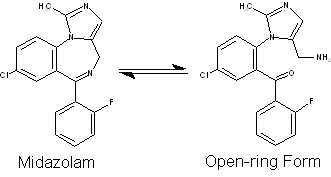
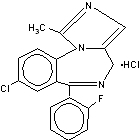
Midazolam is a benzodiazepine available as midazolam hydrochloride syrup for oral administration. Midazolam, a white to light yellow crystalline compound, is insoluble in water, but can be solubilized in aqueous solutions by formation of the hydrochloride salt under acidic conditions. Chemically, midazolam HCl is 8-chloro-6-(2-fluorophenyl)-1-methyl-4 -imidazo[1,5-a][1,4]benzodiazepine hydrochloride. Midazolam hydrochloride has the molecular formula C H ClFN·HCl, a calculated molecular weight of 362.25 and the following structural formula: in situ H 18 13

This is the chemical structure

Each mL of the syrup contains midazolam hydrochloride equivalent to 2 mg midazolam compounded with artificial bitterness modifier, cherry flavor, citric acid, D&C Red #33, edetate disodium, glycerin, saccharin sodium, sodium benzoate, sodium citrate, sorbitol and water; the pH is adjusted between 3.1 - 3.3 with hydrochloric acid.

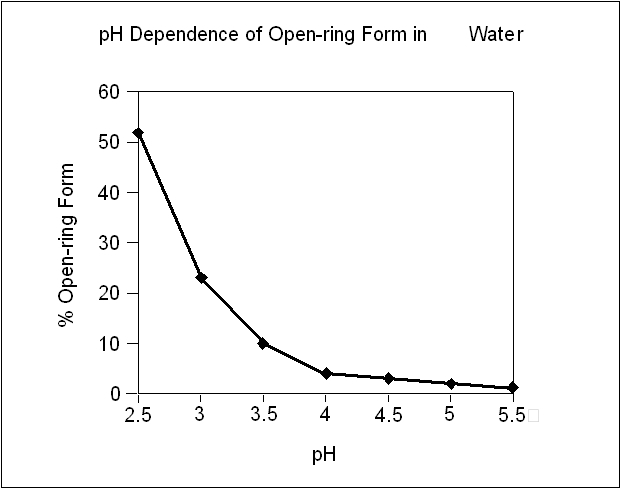
Under the acidic conditions required to solubilize midazolam in the syrup, midazolam is present as an equilibrium mixture (shown below) of the closed ring form shown above and an open-ring structure formed by the acid-catalyzed ring opening of the 4,5-double bond of the diazepine ring. The amount of open-ring form is dependent upon the pH of the solution. At the specified pH of the syrup, the solution may contain up to about 40% of the open-ring compound. At the physiologic conditions under which the product is absorbed (pH of 5 to 8) into the systemic circulation, any open-ring form present reverts to the physiologically active, lipophilic, closed-ring form (midazolam) and is absorbed as such.

This is the open-ring structure

The following chart below plots the percentage of midazolam present as the open-ring form as a function of pH in aqueous solutions. As indicated in the graph, the amount of open-ring compound present in solution is sensitive to changes in pH over the pH range specified for the product: 2.8 to 3.6. Above pH 5, at least 99% of the mixture is present in the closed-ring form.

This is the Open-Ring graph

CLINICAL PHARMACOLOGY

CLINICAL PHARMACOLOGY SECTION

Midazolam is a short-acting benzodiazepine central nervous system (CNS) depressant.

Pharmacodynamics

PHARMACODYNAMICS SECTION

Pharmacodynamic properties of midazolam and its metabolites, which are similar to those of other benzodiazepines, include sedative, anxiolytic, amnesic and hypnotic activities. Benzodiazepine pharmacologic effects appear to result from reversible interactions with the γ-amino butyric acid (GABA) benzodiazepine receptor in the CNS, the major inhibitory neurotransmitter in the central nervous system. The action of midazolam is readily reversed by the benzodiazepine receptor antagonist, flumazenil.

Data from published reports of studies in pediatric patients clearly demonstrate that oral midazolam provides safe and effective sedation and anxiolysis prior to surgical procedures that require anesthesia as well as before other procedures that require sedation but may not require anesthesia. The most commonly reported effective doses range from 0.25 to 1 mg/kg in children (6 months to <16 years). The single most commonly reported effective dose is 0.5 mg/kg. Time to onset of effect is most frequently reported as 10 to 20 minutes.

The effects of midazolam on the CNS are dependent on the dose administered, the route of administration, and the presence or absence of other medications.

Following premedication with oral midazolam, time to recovery has been assessed in pediatric patients using various measures, such as time to eye opening, time to extubation, time in the recovery room, and time to discharge from the hospital. Most placebo-controlled trials (8 total) have shown little effect of oral midazolam on recovery time from general anesthesia; however, a number of other placebo-controlled studies (5 total) have demonstrated some prolongation in recovery time following premedication with oral midazolam. Prolonged recovery may be related to duration of the surgical procedure and/or use of other medications with central nervous system depressant properties.

Partial or complete impairment of recall following oral midazolam has been demonstrated in several studies. Amnesia for the surgical experience was greater after oral midazolam when used as a premedicant than after placebo and was generally considered a benefit. In one study, 69% of midazolam patients did not remember mask application versus 6% of placebo patients.

Episodes of oxygen desaturation, respiratory depression, apnea, and airway obstruction have been reported in <1% of pediatric patients following premedication (eg, sedation prior to induction of anesthesia) with midazolam hydrochloride syrup; the potential for such adverse events are markedly increased when oral midazolam is combined with other central nervous system depressing agents and in patients with abnormal airway anatomy, patients with cyanotic congenital heart disease, or patients with sepsis or severe pulmonary disease (see ). WARNINGS

Concomitant use of barbiturates or other central nervous system depressants may increase the risk of hypoventilation, airway obstruction, desaturation or apnea, and may contribute to profound and/or prolonged drug effect. In one study of pediatric patients undergoing elective repair of congenital cardiac defects, premedication regimens (oral dose of 0.75 mg/kg midazolam or IM morphine plus scopolamine) increased transcutaneous carbon dioxide (PtcCO ), decreased SpO (as measured by pulse oximetry), and decreased respiratory rates preferentially in patients with pulmonary hypertension. This suggests that hypercarbia or hypoxia following premedication might pose a risk to children with congenital heart disease and pulmonary hypertension. In a study of an adult population 65 years and older, the preinduction administration of oral midazolam 7.5 mg resulted in a 60% incidence of hypoxemia (paO <90% for over 30 seconds) at some time during the operative procedure versus 15% for the nonpremedicated group. 2 2 2

Pharmacokinetics

PHARMACOKINETICS SECTION

Absorption

SPL UNCLASSIFIED SECTION

Midazolam is rapidly absorbed after oral administration and is subject to substantial intestinal and hepatic first-pass metabolism. The pharmacokinetics of midazolam and its major metabolite, α-hydroxymidazolam, and the absolute bioavailability of midazolam hydrochloride syrup were studied in pediatric patients of different ages (6 months to <16 years old) over a 0.25 to 1 mg/kg dose range. Pharmacokinetic parameters from this study are presented in Table 1. The mean T values across dose groups (0.25, 0.5, and 1 mg/kg) range from 0.17 to 2.65 hours. Midazolam exhibits linear pharmacokinetics between oral doses of 0.25 to 1 mg/kg (up to a maximum dose of 40 mg) across the age groups ranging from 6 months to <16 years. Linearity was also demonstrated across the doses within the age group of 2 years to <12 years having 18 patients at each of the three doses. The absolute bioavailability of the midazolam hydrochloride syrup in pediatric patients is about 36%, which is not affected by pediatric age or weight. The AUC ratio of α-hydroxymidazolam to midazolam for the oral dose in pediatric patients is higher than for an IV dose (0.38 to 0.75 versus 0.21 to 0.39 across the age group of 6 months to <16 years), and the AUC ratio of α-hydroxymidazolam to midazolam for the oral dose is higher in pediatric patients than in adults (0.38 to 0.75 versus 0.40 to 0.56). max 0-∞ 0-∞

Food effect has not been tested using midazolam hydrochloride syrup. When a 15 mg oral tablet of midazolam was administered with food to adults, the absorption and disposition of midazolam was not affected. Feeding is generally contraindicated prior to sedation of pediatric patients for procedures.

Table 1

SPL Unclassified section

Pharmacokinetics of Midazolam Following Single Dose Administration of Midazolam Hydrochloride Syrup
Number of subjects/age groupDose(mg/kg)T (h) max C (ng/mL) max t (h) 1/2 AUC (ng•h/mL) 0-∞
6 months to <2 years old
10.250.1728.05.8267.6
10.500.3566.02.22152
11.000.1761.22.97224
2 to <12 years old
180.250.72 ± 0.4463.0 ± 30.03.16 ± 1.50138 ± 89.5
180.500.95 ± 0.53126 ± 75.82.71 ± 1.09306 ± 196
181.000.88 ± 0.99201 ± 1012.37 ± 0.96743 ± 642
12 to <16 years old
40.252.09 ± 1.3529.1 ± 8.26.83 ± 3.84155 ± 84.6
40.502.65 ±1.58118 ± 81.24.35 ± 3.31821 ± 568
21.000.55 ± 0.28191 ± 47.42.51 ± 0.18566 ±15.7
Distribution

SPL UNCLASSIFIED SECTION

The extent of plasma protein binding of midazolam is moderately high and concentration independent. In adults and pediatric patients older than 1 year, midazolam is approximately 97% bound to plasma protein, principally albumin. In healthy volunteers, α-hydroxymidazolam is bound to the extent of 89%. In pediatric patients (6 months to <16 years) receiving 0.15 mg/kg IV midazolam, the mean steady-state volume of distribution ranged from 1.24 to 2.02 L/kg.

Metabolism

SPL Unclassified section

Midazolam is primarily metabolized in the liver and gut by human cytochrome P450 IIIA4 (CYP3A4) to its pharmacologic active metabolite, α-hydroxymidazolam, followed by glucuronidation of the α-hydroxyl metabolite which is present in unconjugated and conjugated forms in human plasma. The α-hydroxymidazolam glucuronide is then excreted in urine. In a study in which adult volunteers were administered intravenous midazolam (0.1 mg/kg) and α-hydroxymidazolam (0.15 mg/kg), the pharmacodynamic parameter values of the maximum effect (E ) and concentration eliciting half-maximal effect (EC ) were similar for both compounds. The effects studied were reaction time and errors in tracing tests. The results indicate that α-hydroxymidazolam is equipotent and equally effective as unchanged midazolam on a total plasma concentration basis. After oral or intravenous administration, 63% to 80% of midazolam is recovered in urine as α-hydroxymidazolam glucuronide. No significant amount of parent drug or metabolites is extractable from urine before beta-glucuronidase and sulfatase deconjugation, indicating that the urinary metabolites are excreted mainly as conjugates. max 50

Midazolam is also metabolized to two other minor metabolites: 4-hydroxy metabolite (about 3% of the dose) and 1,4-dihydroxy metabolite (about 1% of the dose) are excreted in small amounts in the urine as conjugates.

Elimination

SPL Unclassified section

The mean elimination half-life of midazolam ranged from 2.2 to 6.8 hours following single oral doses of 0.25, 0.5, and 1 mg/kg of midazolam hydrochloride syrup. Similar results (ranged from 2.9 to 4.5 hours) for the mean elimination half-life were observed following IV administration of 0.15 mg/kg of midazolam to pediatric patients (6 months to <16 years old). In the same group of patients receiving the 0.15 mg/kg IV dose, the mean total clearance ranged from 9.3 to 11.0 mL/min/kg.

Pharmacokinetic-Pharmacodynamic Relationships

SPL Unclassified section

The relationship between plasma concentration and sedation and anxiolysis scores of midazolam syrup (single oral doses of 0.25, 0.5, or 1 mg/kg) was investigated in three age groups of pediatric patients (6 months to <2 years, 2 to <12 years, and 12 to <16 years old). In this study, the patient’s sedation scores were recorded at baseline and at 10-minute intervals up to 30 minutes after oral dosing until satisfactory sedation (“drowsy” or “asleep but responsive to mild shaking” or “asleep and not responsive to mild shaking”) was achieved. Anxiolysis scores were measured at the time when the patient was separated from his/her parents and at mask induction. The results of the analyses showed that the mean midazolam plasma concentration as well as the mean of midazolam plus α-hydroxymidazolam for those patients with a sedation score of 4 (asleep but responsive to mild shaking) is significantly different than the mean concentrations for those patients with a sedation score of 3 (drowsy), which is significantly different than the mean concentrations for patients with a sedation score of 2 (awake/calm). The statistical analysis indicates that the greater the midazolam, or midazolam plus α-hydroxymidazolam concentration, the greater the maximum sedation score for pediatric patients. No such trend was observed between anxiolysis scores and the mean midazolam concentration or mean of midazolam plus a-hydroxymidazolam concentration, however, anxiolysis is a more variable surrogate measurement of clinical response.

Special Populations

SPL Unclassified section

Renal Impairment

SPL Unclassified section

Although the pharmacokinetics of intravenous midazolam in adult patients with chronic renal failure differed from those of subjects with normal renal function, there were no alterations in the distribution, elimination, or clearance of unbound drug in the renal failure patients. However, the effects of renal impairment on the active metabolite α-hydroxymidazolam are unknown.

Hepatic Dysfunction

SPL Unclassified section

Chronic hepatic disease alters the pharmacokinetics of midazolam. Following oral administration of 15 mg of midazolam, C and bioavailability values were 43% and 100% higher, respectively, in adult patients with hepatic cirrhosis than adult subjects with normal liver function. In the same patients with hepatic cirrhosis, following IV administration of 7.5 mg of midazolam, the clearance of midazolam was reduced by about 40% and the elimination half-life was increased by about 90% compared with subjects with normal liver function. Midazolam should be titrated for the desired effect in patients with chronic hepatic disease. max

Congestive Heart Failure

SPL Unclassified section

Following oral administration of 7.5 mg of midazolam, elimination half-life values were 43% higher in adult patients with congestive heart failure than in control subjects.

Neonates

SPL Unclassified section

Midazolam hydrochloride syrup has not been studied in pediatric patients less than 6 months of age.

INHIBITORS OF CYP3A4 ISOZYMES

SPL Unclassified section

Table 2 summarizes the changes in the C and AUC of midazolam when drugs known to inhibit CYP3A4 were concurrently administered with oral midazolam in adult subjects. max

Table 2

SPL Unclassified section

Interacting DrugAdult Doses Studied% Increase inCmaxofOral Midazolam% Increase in AUC of Oral Midazolam
Cimetidine800-1200 mg up toqid in divided doses6-13810-102
Diltiazem60 mg tid105275
Erythromycin500 mg tid170-171281-341
Fluconazole200 mg qd150250
Grapefruit Juice200 mL5652
Itraconazole100-200 mg qd80-240240-980
Ketoconazole400 mg qd3091490
Ranitidine150 mg bid or tid; 300 mg qd15-679-66
Roxithromycin300 mg qd3747
Saquinavir1200 mg tid235514
Verapamil80 mg tid97192

Other drugs known to inhibit the effects of CYP3A4, such as protease inhibitors, would be expected to have similar effects on these midazolam pharmacokinetic parameters.

INDUCERS OF CYP3A4 ISOZYMES

SPL Unclassified section

Table 3 summarizes the changes in the C and AUC of midazolam when drugs known to induce CYP3A4 were concurrently administered with oral midazolam in adult subjects. The clinical significance of these changes is unclear. max

Table 3

SPL Unclassified section

Interacting DrugAdult Doses Studied% Decrease in Cmaxof Oral Midazolam% Decrease in AUC of Oral Midazolam
CarbamazepineTherapeutic Doses9394
PhenytoinTherapeutic Doses9394
Rifampin600 mg/day9496

Although not tested, phenobarbital, rifabutin and other drugs known to induce the effects of CYP3A4 would be expected to have similar effects on these midazolam pharmacokinetic parameters.

Drugs that did not affect midazolam pharmacokinetics are presented in Table 4.

Table 4

SPL Unclassified section

Interacting DrugAdult Doses Studied
Azithromycin500 mg/day
Nitrendipine20 mg
Terbinafine200 mg/day

Clinical Trials

CLINICAL STUDIES SECTION

Dose Ranging, Safety and Efficacy Study With Midazolam hydrochloride Syrup in Pediatric Patients

SPL Unclassified section

The effectiveness of midazolam hydrochloride syrup as a premedicant to sedate and calm pediatric patients prior to induction of general anesthesia was compared among three different doses in a randomized, double-blind, parallel-group study. Patients of ASA physical status I, II or III were stratified to 1 of 3 age groups (6 months to <2 years, 2 to <6 years, and 6 to <16 years), and within each age group randomized to 1 of 3 dosing groups (0.25, 0.5, and 1 mg/kg up to a maximum dose of 20 mg). Greater than 90% of treated patients achieved satisfactory sedation and anxiolysis at at least one timepoint within 30 minutes posttreatment. Similarly high proportions of patients exhibited satisfactory ease of separation from parent or guardian and were cooperative at the time of mask induction with nitrous oxide and halothane administration. Onset time of satisfactory sedation or anxiolysis occurred within 10 minutes after treatment for >70% of patients who started with an unsatisfactory baseline rating. Whereas pairwise comparisons (0.25 mg/kg versus 0.5 mg/kg groups, and 0.5 mg/kg versus 1.0 mg/kg groups) on satisfactory sedation did not yield significant p-values (p=0.08 in both cases), comparative analysis of the clinical response between the high and low doses demonstrated that a higher proportion of patients in the 1 mg/kg dose group exhibited satisfactory sedation and anxiolysis as compared to the 0.25 mg/kg group (p<0.05).

INDICATIONS AND USAGE SECTION

INDICATIONS & USAGE SECTION

Midazolam hydrochloride syrup is indicated for use in pediatric patients for sedation, anxiolysis and amnesia prior to diagnostic, therapeutic or endoscopic procedures or before induction of anesthesia.

Midazolam hydrochloride syrup is intended for use in monitored settings only and not for chronic or home use (see ). WARNINGS MIDAZOLAM HYDROCHLORIDE SYRUP MUST BE USED AS SPECIFIED IN THE LABEL.

Midazolam is associated with a high incidence of partial or complete impairment of recall for the next several hours (see ). CLINICAL PHARMACOLOGY

CONTRAINDICATIONS

CONTRAINDICATIONS SECTION

Midazolam is contraindicated in patients with a known hypersensitivity to the drug or allergies to cherries or formulation excipients. Benzodiazepines are contraindicated in patients with acute narrow-angle glaucoma. Benzodiazepines may be used in patients with open-angle glaucoma only if they are receiving appropriate therapy. Measurements of intraocular pressure in patients without eye disease show a moderate lowering following induction of general anesthesia with injectable midazolam; patients with glaucoma have not been studied.

WARNINGS

WARNINGS SECTION

( ). ( ). Serious respiratory adverse events have occurred after administration of oral midazolam hydrochloride syrup, most often when midazolam hydrochloride syrup was used in combination with other central nervous system depressants. These adverse events have included respiratory depression, airway obstruction, oxygen desaturation, apnea, and rarely, respiratory and/or cardiac arrest see BOX WARNING When oral midazolam is administered as the sole agent at recommended doses respiratory depression, airway obstruction, oxygen desaturation, and apnea occur infrequently see DOSAGE AND ADMINISTRATION

Prior to the administration of midazolam hydrochloride syrup in any dose, the immediate availability of oxygen, resuscitative drugs, age- and size-appropriate equipment for bag/valve/mask ventilation and intubation, and skilled personnel for the maintenance of a patent airway and support of ventilation should be ensured. Midazolam hydrochloride syrup must never be used without individualization of dosage, particularly when used with other medications capable of producing central nervous system depression.

Midazolam hydrochloride syrup should be used only in hospital or ambulatory care settings, including physicians’ and dentists’ offices, that are equipped to provide continuous monitoring of respiratory and cardiac function. Midazolam hydrochloride syrup must only be administered to patients if they will be monitored by direct visual observation by a health care professional. If midazolam hydrochloride syrup will be administered in combination with other anesthetic drugs or drugs which depress the central nervous system, patients must be monitored by persons specifically trained in the use of these drugs and, in particular, in the management of respiratory effects of these drugs, including respiratory and cardiac resuscitation of patients in the age group being treated.

For deeply sedated patients, a dedicated individual whose sole responsibility is to observe the patient, other than the practitioner performing the procedure, should monitor the patient throughout the procedure.

. The immediate availability of specific reversal agents (flumazenil) is highly recommended. Vital signs should continue to be monitored during the recovery period. Because midazolam can depress respiration (see ), especially when used concomitantly with opioid agonists and other sedatives (see ), it should be used for sedation/anxiolysis/amnesia only in the presence of personnel skilled in early detection of hypoventilation, maintaining a patent airway, and supporting ventilation. Patients should be continuously monitored for early signs of hypoventilation, airway obstruction, or apnea with means for detection readily available (eg, pulse oximetry). Hypoventilation, airway obstruction, and apnea can lead to hypoxia and/or cardiac arrest unless effective countermeasures are taken immediately CLINICAL PHARMACOLOGY DOSAGE AND ADMINISTRATION

Episodes of oxygen desaturation, respiratory depression, apnea, and airway obstruction have been occasionally reported following premedication (sedation prior to induction of anesthesia) with oral midazolam; such events are markedly increased when oral midazolam is combined with other central nervous system depressing agents and in patients with abnormal airway anatomy, patients with cyanotic congenital heart disease, or patients with sepsis or severe pulmonary disease.

Reactions such as agitation, involuntary movements (including tonic/clonic movements and muscle tremor), hyperactivity and combativeness have been reported in both adult and pediatric patients. Consideration should be given to the possibility of paradoxical reaction. Should such reactions occur, the response to each dose of midazolam hydrochloride syrup and all other drugs, including local anesthetics, should be evaluated before proceeding. Reversal of such responses with flumazenil has been reported in pediatric and adult patients.

Concomitant use of barbiturates, alcohol or other central nervous system depressants may increase the risk of hypoventilation, airway obstruction, desaturation, or apnea and may contribute to profound and/or prolonged drug effect. Narcotic premedication also depresses the ventilatory response to carbon dioxide stimulation.

Coadministration of oral midazolam in patients who are taking ketoconazole, intraconazole, and saquinavir has been shown to result in large increases in C and AUC of midazolam due to a decrease in plasma clearance of midazolam (see : and ). Due to the potential for intense and prolonged sedation and respiratory depression, midazolam syrup should only be coadministered with these medications if absolutely necessary and with appropriate equipment and personnel available to respond to respiratory insufficiency. max Pharmacokinetics Drug-Drug Interactions PRECAUTIONS

Higher risk pediatric surgical patients may require lower doses, whether or not concomitant sedating medications have been administered. Pediatric patients with cardiac or respiratory compromise may be unusually sensitive to the respiratory depressant effect of midazolam hydrochloride syrup. Pediatric patients undergoing procedures involving the upper airway such as upper endoscopy or dental care, are particularly vulnerable to episodes of desaturation and hypoventilation due to partial airway obstruction. Patients with chronic renal failure and patients with congestive heart failure eliminate midazolam more slowly (see ). CLINICAL PHARMACOLOGY

The decision as to when patients who have received midazolam hydrochloride syrup, particularly on an outpatient basis, may again engage in activities requiring complete mental alertness, operate hazardous machinery or drive a motor vehicle must be individualized. Gross tests of recovery from the effects of midazolam hydrochloride syrup (see ) cannot be relied upon to predict reaction time under stress. It is recommended that no patient operate hazardous machinery or a motor vehicle until the effects of the drug, such as drowsiness, have subsided or until one full day after anesthesia and surgery, whichever is longer. Particular care should be taken to assure safe ambulation. CLINICAL PHARMACOLOGY
Usage in Pregnancy

SPL UNCLASSIFIED SECTION

Although midazolam hydrochloride syrup has not been studied in pregnant patients, an increased risk of congenital malformations associated with the use of benzodiazepine drugs (diazepam and chlordiazepoxide) have been suggested in several studies. If this drug is used during pregnancy, the patient should be apprised of the potential hazard to the fetus.

Usage in Preterm Infants and Neonates

SPL Unclassified section

Midazolam hydrochloride syrup has not been studied in patients less than 6 months of age.

PRECAUTIONS

PRECAUTIONS SECTION

Use With Other CNS Depressants

SPL Unclassified section

The efficacy and safety of midazolam hydrochloride syrup in clinical use are functions of the dose administered, the clinical status of the individual patient, and the use of concomitant medications capable of depressing the CNS. Anticipated effects may range from mild sedation to deep levels of sedation with a potential loss of protective reflexes, particularly when coadministered with anesthetic agents or other CNS depressants. Care must be taken to individualize the dose of midazolam hydrochloride syrup based on the patient’s age, underlying medical/surgical conditions, concomitant medications, and to have the personnel, age- and size-appropriate equipment and facilities available for monitoring and intervention. Practitioners administering midazolam must have the skills necessary to manage reasonably foreseeable adverse effects, particularly skills in airway management.

Use With Inhibitors of CYP3A4 Isozymes

SPL Unclassified section

Oral midazolam should be used with caution in patients treated with drugs known to inhibit CYP3A4 because inhibition of metabolism may lead to more intense and prolonged sedation (see CLINICAL PHARMACOLOGY: and and ). Patients being treated with medications known to inhibit CYP3A4 isozymes should be treated with lower than recommended doses of midazolam hydrochloride syrup and the clinician should expect a more intense and prolonged effect. Pharmacokinetics Drug-Drug Interactions WARNINGS

Information for Patients

INFORMATION FOR PATIENTS SECTION

To assure safe and effective use of midazolam hydrochloride syrup, the following information and instructions should be communicated to the patient when appropriate:

  1. Inform your physician about any alcohol consumption and medicine you are now taking, especially blood pressure medication, antibiotics, and protease inhibitors, including drugs you buy without a prescription. Alcohol has an increased effect when consumed with benzodiazepines; therefore, caution should be exercised regarding simultaneous ingestion of alcohol during benzodiazepine treatment.
  2. Inform your physician if you are pregnant or are planning to become pregnant.
  3. Inform your physician if you are nursing.
  4. Patients should be informed of the pharmacological effects of midazolam hydrochloride syrup, such as sedation and amnesia, which in some patients may be profound. The decision as to when patients who have received midazolam hydrochloride syrup, particularly on an outpatient basis, may again engage in activities requiring complete mental alertness, operate hazardous machinery or drive a motor vehicle must be individualized.
  5. Midazolam hydrochloride syrup should not be taken in conjunction with grapefruit juice
  6. .For pediatric patients, particular care should be taken to assure safe ambulation.

Drug Interactions

DRUG INTERACTIONS SECTION

Inhibitors of CYP3A4 Isozymes

SPL Unclassified section

Caution is advised when midazolam is administered concomitantly with drugs that are known to inhibit the cytochrome P450 3A4 enzyme system (ie, some drugs in the drug classes of azole antimycotics, protease inhibitors, calcium channel antagonists, and macrolide antibiotics). Drugs such as diltiazem, erythromycin, fluconazole, itraconazole, ketoconazole, saquinavir, and verapamil were shown to significantly increase the C and AUC of orally administered midazolam. These drug interactions may result in increased and prolonged sedation due to a decrease in plasma clearance of midazolam. Although not studied, the potent cytochrome P450 3A4 inhibitors ritanovir and nelfinavir may cause intense and prolonged sedation and respiratory depression due to a decrease in plasma clearance of midazolam. Caution is advised when midazolam hydrochloride syrup is used concomitantly with these drugs. Dose adjustments should be considered and possible prolongation and intensity of effect should be anticipated (see CLINICAL PHARMACOLOGY: : ). max Pharmacokinetics Drug-Drug Interactions

Inducers of CYP3A4 Isozymes

SPL Unclassified section

Cytochrome P450 inducers, such as rifampin, carbamazepine, and phenytoin, induce metabolism and cause a markedly decreased C and AUC of oral midazolam in adult studies. Although clinical studies have not been performed, phenobarbital is expected to have the same effect. Caution is advised when administering midazolam hydrochloride syrup to patients receiving these medications and if necessary dose adjustments should be considered. max

CNS Depressants

SPL Unclassified section

One case was reported of inadequate sedation with chloral hydrate and later with oral midazolam due to a possible interaction with methylphenidate administered chronically in a 2-year-old boy with a history of Williams syndrome. The difficulty in achieving adequate sedation may have been the result of decreased absorption of the sedatives due to both the gastrointestinal effects and stimulant effects of methylphenidate.

The sedative effect of midazolam hydrochloride syrup is accentuated by any concomitantly administered medication which depresses the central nervous system, particularly narcotics (eg, morphine, meperidine and fentanyl), propofol, ketamine, nitrous oxide, secobarbital and droperidol. Consequently, the dose of midazolam hydrochloride syrup should be adjusted according to the type and amount of concomitant medications administered and the desired clinical response (see ). DOSAGE AND ADMINISTRATION

No significant adverse interactions with common premedications (such as atropine, scopolamine, glycopyrrolate, diazepam, hydroxyzine, and other muscle relaxants) or local anesthetics have been observed.

Drug and/or Laboratory Test Interactions

DRUG & OR LABORATORY TEST INTERACTIONS SECTION

Midazolam has not been shown to interfere with results obtained in clinical laboratory tests.

Carcinogenesis and Mutagenesis and Impairment of Fertility

CARCINOGENESIS & MUTAGENESIS & IMPAIRMENT OF FERTILITY SECTION

Carcinogenesis

SPL UNCLASSIFIED SECTION

Midazolam maleate was administered with diet in mice and rats for 2 years at dosages of 1, 9, and 80 mg/kg/day. In female mice in the highest dose (10 times the highest oral dose of 1 mg/kg for a pediatric patient, on a mg/m basis) group there was a marked increase in the incidence of hepatic tumors. In high-dose (19 times the pediatric dose) male rats there was a small but statistically significant increase in benign thyroid follicular cell tumors. Dosages of 9 mg/kg/day of midazolam maleate (1 to 2 times the pediatric dose) did not increase the incidence of tumors in mice or rats. The pathogenesis of induction of these tumors is not known. These tumors were found after chronic administration, whereas human use will ordinarily be single or intermittent doses. 2

Mutagenesis

SPL Unclassified section

Midazolam did not have mutagenic activity in Salmonella typhimurium (5 bacterial strains), Chinese hamster lung cells (V79), human lymphocytes or in the micronucleus test in mice.

Impairment of Fertility

SPL Unclassified section

A reproduction study in male and female rats did not show any impairment of fertility at dosages up to 16 mg/kg/day PO (3 times the human dose of 1 mg/kg, on a mg/m basis). 2

Pregnancy

PREGNANCY SECTION

Teratogenic Effects

TERATOGENIC EFFECTS SECTION

Pregnancy Category D (see ). WARNINGS

Embryo-fetal development studies, performed with midazolam maleate in mice (at up to 120 mg/kg/day PO, 10 times the human dose of 1 mg/kg on a mg/m basis), rats (at up to 4 mg/kg/day IV, 8 times the human IV dose of 5 mg) and rabbits (at up to 100 mg/kg/day PO, 32 times the human oral dose of 1 mg/kg on a mg/m basis), did not show evidence of teratogenicity. 2 2

Nonteratogenic Effects

NONTERATOGENIC EFFECTS SECTION

Studies in rats showed no adverse effects on reproductive parameters during gestation and lactation. Dosages tested (4 mg/kg IV and 50 mg/kg PO) were approximately 8 times each the human doses on a mg/m basis. 2

Labor and Delivery

LABOR & DELIVERY SECTION

In humans, measurable levels of midazolam were found in maternal venous serum, umbilical venous and arterial serum and amniotic fluid, indicating placental transfer of the drug.

The use of midazolam hydrochloride syrup in obstetrics has not been evaluated in clinical studies. Because midazolam is transferred transplacentally and because other benzodiazepines given in the last weeks of pregnancy have resulted in neonatal CNS depression, midazolam syrup is not recommended for obstetrical use.

Nursing Mothers

NURSING MOTHERS SECTION

Midazolam is excreted in human milk. Caution should be exercised when midazolam syrup is administered to a nursing woman.

Geriatric Use

GERIATRIC USE SECTION

The safety and efficacy of this product have not been fully studied in geriatric patients. Therefore, there are no available data on a safe dosing regimen. One study in geriatric subjects, using midazolam 7.5 mg as a premedicant prior to general anesthesia, noted a 60% incidence of hypoxemia (pO <90% for over 30 seconds) at sometime during the operative procedure versus 15% for the nonpremedicated group. Until further information is available it is recommended that this product should not be used in geriatric patients. 2

Use in Patients With Heart Disease

SPL UNCLASSIFIED SECTION

Following oral administration of 7.5 mg of midazolam to adult patients with congestive heart failure, the half-life of midazolam was 43% higher than in control subjects. One study suggests that hypercarbia or hypoxia following premedication with oral midazolam might pose a risk to children with congenital heart disease and pulmonary hypertension, although there are no known reports of pulmonary hypertensive crisis that had been triggered by premedication. In the study, 22 children were premedicated with oral midazolam (0.75 mg/kg) or IM morphine plus scopolamine prior to elective repair of congenital cardiac defects. Both premedication regimens increased PtcCO and decreased SpO and respiratory rates preferentially in patients with pulmonary hypertension. 2 2

ADVERSE REACTIONS

ADVERSE REACTIONS SECTION

The distribution of adverse events occurring in patients evaluated in a randomized, double-blind, parallel-group trial are presented in Tables 5 and 6 by body system in order of decreasing frequency: for the premedication period (eg, sedation period prior to induction of anesthesia) alone, see Table 5; for over the entire monitoring period including premedication, anesthesia and recovery, see Table 6.

The distribution of adverse events occurring during the premedication period, before induction of anesthesia, is presented in Table 5. Emesis, which occurred in 31/397 (8%) patients over the entire monitoring period, occurred in 3/397 (0.8%) of patients during the premedication period (from midazolam administration to mask induction). Nausea, which occurred in 14/397 (4%) patients over the entire monitoring period (premedication, anesthesia and recovery), occurred in 2/397 (0.5%) patients during the premedication period.

This distribution of all adverse events occurring in ≥1% of patients over the entire monitoring period are presented in Table 6. For the entire monitoring period (premedication, anesthesia and recovery), adverse events were reported by 82/397 (21%) patients who received midazolam overall. The most frequently reported adverse events were emesis occurring in 31/397 (8%) patients and nausea occurring in 14/397 (4%) patients. Most of these gastrointestinal events occurred after the administration of other anesthetic agents.

For the respiratory system overall, adverse events (hypoxia, laryngospasm, rhonchi, coughing, respiratory depression, airway obstruction, upper-airway congestion, shallow respirations), occurred during the entire monitoring period in 31/397 (8%) patients and increased in frequency as dosage was increased: 7/132 (5%) patients in the 0.25 mg/kg dose group, 9/132 (7%) patients in the 0.5 mg/kg dose group, and 15/133 (11%) patients in the 1 mg/kg dose group.

Most of the respiratory adverse events occurred during induction, general anesthesia or recovery. One patient (0.25%) experienced a respiratory system adverse event (laryngospasm) during the premedication period. This adverse event occurred precisely at the time of induction. Although many of the respiratory complications occurred in settings of upper airway procedures or concurrently administered opioids, a number of these events occurred outside of these settings as well. In this study, administration of midazolam hydrochloride syrup was generally accompanied by a slight decrease in both systolic and diastolic blood pressures, as well as a slight increase in heart rate.

Table 5

SPL Unclassified section

Adverse Events Occurring During the Premedication Period Before Mask Induction in the Randomized, Double-Blind, Parallel-Group Trial
Body SystemTreatment RegimenOverall
No. Patients with Adverse Events0.25 mg/kg(n=132)No. (%)0.50 mg/kg(n=132)No. (%)1 mg/kg(n=133)No. (%)(n=397)No. (%)
Gastrointestinal
System Disorders
Emesis1 (0.76%)1 (0.76%)1 (0.75%)3 (0.76%)
Nausea2 (1.5%)2 (0.50%)
Respiratory
System Disorders
Laryngospasm1 (0.75%) * 1 (0.25%)
Sneezing/Rhinorrhea1 (0.75%)1 (0.25%)
ALL BODY SYSTEMS1 (0.76%)1 (0.76%)5 (3.8%)7 (1.8%)

* This adverse event occurred precisely at the time of induction.

Table 6

SPL Unclassified section

Adverse Events ( ≥1%) From the Randomized, Double-blind, Parallel-Group Trial on Entire Monitoring Period (premedication, anesthesia, recovery)
Body SystemTreatment RegimenOverall
No. Patients with Adverse Events
0.25 mg/kg(n=132)0.50 mg/kg(n=132)1 mg/kg(n=133)(n=397)
No.(%)No.(%)No.(%)No.(%)
Gastrointestinal
System Disorders
Emesis11(8%)5(4%)15(11%)31(8%)
Nausea6(5%)2(2%)6(5%)14(4%)
Overall16(12%)8(6%)16(12%)40(10%)
Respiratory
System Disorders
Hypoxia05(4%)4(3%)9(2%)
Laryngospasm01(<1%)5(4%)6(2%)
Respiratory Depression2(2%)1(<1%)2(2%)5(1%)
Rhonchi2(2%)1(<1%)2(2%)5(1%)
Airway Obstruction2(2%)2(2%)04(1%)
Upper Airway Congestion2(2%)02(2%)4(1%)
Overall7(5%)9(7%)15(11%)31(8%)
Psychiatic Disorders
Agitated1(<1%)2(2%)3(2%)6(2%)
Overall1(<1%)3(2%)4(3%)8(2%)
Heart Rate, Rhythm
Disorders
Bradycardia1(<1%)3(2%)04(1%)
Bigeminy2(2%)002(<1%)
Overall3(2%)3(2%)1(<1%)7(2%)
Central & Peripheral
Nervous System Disorders
Prolonged Sedation002(2%)2(<1%)
Overall2(2%)03(2%)5(1%)
Skin and Appendages
Disorders
Rash2(2%)002(<1%)
Overall2(2%)2(2%)04(1%)
ALL BODY SYSTEMS26(20%)23(17%)33(25%)82(21%)

There were no deaths during the study and no patient withdrew from the study due to adverse events. Serious adverse events (both respiratory disorders) were experienced postoperatively by two patients: one case of airway obstruction and desaturation (SpO of 33%) in a patient given midazolam hydrochloride syrup 0.25 mg/kg, and one case of upper airway obstruction and respiratory depression following 0.5 mg/kg. Both patients had received intravenous morphine sulfate (1.5 mg total for both patients). 2

Other adverse events that have been reported in the literature with the oral administration of midazolam (not necessarily midazolam syrup), are listed below. The incidence rate for these events was generally <1%.

apnea, hypercarbia, desaturation, stridor. Respiratory:

decreased systolic and diastolic blood pressure, increased heart rate. Cardiovascular:

nausea, vomiting, hiccoughs, gagging, salivation, drooling. Gastrointestinal:

Central Nervous System: dysphoria, disinhibition, excitation, aggression, mood swings, hallucinations, adverse behavior, agitation, dizziness, confusion, ataxia, vertigo, dysarthria.

diplopia, strabismus, loss of balance, blurred vision. Special Senses:

DRUG ABUSE AND DEPENDENCE

DRUG ABUSE AND DEPENDENCE SECTION

Midazolam hydrochloride syrup is a benzodiazepine and is a Schedule IV controlled substance that can produce drug dependence of the diazepam-type. Therefore, midazolam hydrochloride syrup may be subject to misuse, abuse and addiction. Benzodiazepines can cause physical dependence. Physical dependence results in withdrawal symptoms in patients who abruptly discontinue the drug. Withdrawal symptoms (ie, convulsions, hallucinations, tremors, abdominal and muscle cramps, vomiting and sweating), similar in characteristics to those noted with barbiturates and alcohol have occurred following abrupt discontinuation of midazolam following chronic administration. Abdominal distention, nausea, vomiting, and tachycardia are prominent symptoms of withdrawal in infants.

The handling of midazolam hydrochloride syrup should be managed to minimize the risk of diversion, including restriction of access and accounting procedures as appropriate to the clinical setting and as required by law.

OVERDOSAGE

OVERDOSAGE SECTION

The manifestations of midazolam overdosage reported are similar to those observed with other benzodiazepines, including sedation, somnolence, confusion, impaired coordination, diminished reflexes, coma, and deleterious effects on vital signs. No evidence of specific organ toxicity from midazolam hydrochloride syrup overdosage has been reported.

Treatment of Overdosage

SPL Unclassified section

Treatment of midazolam overdosage is the same as that followed for overdosage with other benzodiazepines. Respiration, pulse rate and blood pressure should be monitored and general supportive measures should be employed. Attention should be given to the maintenance of a patent airway and support of ventilation, including administration of oxygen. Should hypotension develop, treatment may include intravenous fluid therapy, repositioning, judicious use of vasopressors appropriate to the clinical situation, if indicated, and other appropriate countermeasures. There is no information as to whether peritoneal dialysis, forced diuresis or hemodialysis are of any value in the treatment of midazolam overdosage.

Gastrointestinal decontamination with lavage and/or activated charcoal once the patient’s airway is secure is also recommended.

Flumazenil, a specific benzodiazepine-receptor antagonist, is indicated for the complete or partial reversal of the sedative effects of midazolam hydrochloride syrup and may be used in situations when an overdose with a benzodiazepine is known or suspected. There are anecdotal reports of adverse hemodynamic responses associated with midazolam hydrochloride syrup following administration of flumazenil to pediatric patients. Prior to the administration of flumazenil, necessary measures should be instituted to secure the airway, assure adequate ventilation, and establish adequate intravenous access. Flumazenil is intended as an adjunct to, not as a substitute for, proper management of benzodiazepine overdose. Patients treated with flumazenil should be monitored for resedation, respiratory depression and other residual benzodiazepine effects for an appropriate period after treatment. The prescriber should be aware of a risk of seizure in association with flumazenil treatment, particularly in long-term benzodiazepine users and in cyclic antidepressant overdose. The complete flumazenil package insert, including , and , should be consulted prior to use. CONTRAINDICATIONS WARNINGS PRECAUTIONS

DOSAGE AND ADMINISTRATION

DOSAGE & ADMINISTRATION SECTION

Midazolam hydrochloride syrup is indicated for use as a single dose (0.25 to 1 mg/kg with a maximum dose of 20 mg) for preprocedural sedation and anxiolysis in pediatric patients. Midazolam hydrochloride syrup is not intended for chronic administration.

Monitoring

SPL Unclassified section

Midazolam hydrochloride syrup should only be used in hospital or ambulatory care settings, including physicians’ and dentists’ offices, that can provide for continuous monitoring of respiratory and cardiac function. Immediate availability of resuscitative drugs and age- and size-appropriate equipment for bag/valve/mask ventilation and intubation, and personnel trained in their use and skilled in airway management should be assured (see ). For deeply sedated patients, a dedicated individual whose sole responsibility it is to observe the patient, other than the practitioner performing the procedure, should monitor the patient throughout the procedure. Continuous monitoring of respiratory and cardiac function is required. WARNINGS

Midazolam hydrochloride syrup should only be administered by persons specifically trained in the use of anesthetic drugs and the management of respiratory effects of anesthetic drugs, including respiratory and cardiac resuscitation of patients in the age group being treated. Midazolam hydrochloride syrup must be given only to patients if they will be monitored by direct visual observation by a health care professional.

Patient response to sedative agents, and resultant respiratory status, is variable. Regardless of the intended level of sedation or route of administration, sedation is a continuum; a patient may move easily from light to deep sedation, with potential loss of protective reflexes, particularly when coadministered with anesthetic agents, other CNS depressants, and concomitant medications which may potentially cause a more intense and prolonged sedation (see : ). This is especially true in pediatric patients. The health care practitioner who uses this medication in pediatric patients should be aware of and follow accepted professional guidelines for pediatric sedation appropriate to their situation. PRECAUTIONS Drug Interactions

Sedation guidelines recommend a careful presedation history to determine how a patient’s underlying medical conditions or concomitant medications might affect their response to sedation/analgesia as well as a physical examination including a focused examination of the airway for abnormalities. Further recommendations include appropriate presedation fasting.

Intravenous access is not thought to be necessary for all pediatric patients sedated for a diagnostic or therapeutic procedure because in some cases the difficulty of gaining IV access would defeat the purpose of sedating the child; rather, emphasis should be placed upon having the intravenous equipment available and a practitioner skilled in establishing vascular access in pediatric patients immediately available.

Midazolam hydrochloride syrup must never be used without individualization of dosage, particularly when used with other medications capable of producing CNS depression. Younger (<6 years of age) pediatric patients may require higher dosages (mg/kg) than older pediatric patients, and may require close monitoring.

When midazolam hydrochloride syrup is given in conjunction with opioids or other sedatives, the potential for respiratory depression, airway obstruction, or hypoventilation is increased. For appropriate patient monitoring, see and subsection of . The health care practitioner who uses this medication in pediatric patients should be aware of and follow accepted professional guidelines for pediatric sedation appropriate to their situation. WARNINGS Monitoring DOSAGE AND ADMINISTRATION

The recommended dose for pediatric patients is a single dose of 0.25 to 0.5 mg/kg, depending on the status of the patient and desired effect, up to a maximum dose of 20 mg. In general, it is recommended that the dose be individualized and modified based on patient age, level of anxiety, concomitant medications, and medical need (see and ). The younger (6 months to <6 years of age) and less cooperative patients may require a higher than usual dose up to 1.0 mg/kg. A dose of 0.25 mg/kg may suffice for older (6 to <16 years of age) or cooperative patients, especially if the anticipated intensity and duration of sedation is less critical. For all pediatric patients, a dose of 0.25 mg/kg should be considered when midazolam hydrochloride syrup is administered to patients with cardiac or respiratory compromise, other higher risk surgical patients, and patients who have received concomitant narcotics or other CNS depressants. As with any potential respiratory depressant, these patients must be monitored for signs of cardiorespiratory depression after receiving midazolam hydrochloride syrup. In obese pediatric patients, the dose should be calculated based on ideal body weight. Midazolam hydrochloride syrup has not been studied, nor is it intended for chronic use. WARNINGS PRECAUTIONS

INSERTION OF PRESS-IN BOTTLE ADAPTER (PIBA)

SPL Unclassified section

1.Remove the cap and push bottle

adapter into neck of bottle.

This is the bottle figure

2.Close the bottle tightly with cap.

This will assure the proper seating of

the bottle adapter in the bottle

USE OF ORAL DISPENSERS AND PIBA

SPL Unclassified section

1.Remove the cap.

2.Before inserting the tip of the oral

dispenser into bottle adapter, push

the plunger completely down toward

the tip of the oral dispenser. Insert

tip firmly into opening of the bottle

adapter. This is the oral dispenser figureThis is the oral dispenser figure

3.Turn the entire unit (bottle and oral

dispenser) upside down.

4.Pull the plunger out slowly until the

desired amount of medication is

withdrawn into the oral dispenser. This is upside down bottle pictureThis is upside down bottle picture

5.Turn the entire unit right side up and

remove the oral dispenser slowly from

the bottle.

This is remove the dispenser from bottle picture

6.The tip of the dispenser may be covered with a tip cap, until time of use.

7.Close bottle with cap after each use.

8.Dispense directly into mouth. Do not mix with any liquid (such as grapefruit juice) prior to dispensing.

DISPOSAL OF MIDAZOLAM HYDROCHLORIDE SYRUP

SPL Unclassified section

The disposal of Schedule IV controlled substances must be consistent with State and Federal Regulations

MIDAZOLAM HYDROCHLORIDE (MIDAZOLAM HYDROCHLORIDE SYRUP) SYRUP

PACKAGE LABEL.PRINCIPAL DISPLAY PANEL

Label Image
Label Image

DailyMed RxNorm Mappings#

RxCUI, RxNorm string, TTY table
RxCUIRxNorm stringTTYSPL version
422410midazolam 10 MG in 5 mL Oral SolutionPSN2
422410midazolam 2 MG/ML Oral SolutionSCD2
422410midazolam (as midazolam hydrochloride) 10 MG per 5 ML SyrupSY2
422410midazolam (as midazolam hydrochloride) 2 MG/ML SyrupSY2
422410midazolam 10 MG per 5 ML Oral SolutionSY2

DailyMed Pharmacologic Classes#

Class, Version, Type table
ClassVersionTypeEffective
MIDAZOLAM Pharmacologic Class Indexing2Indexing - Pharmacologic Class20180813

DailyMed Product Concepts#

Product concept, Relation, Version table
Product conceptRelationVersionEffective
1d526338-43ba-4cef-8730-5a757122f8ceProduct name120260218
8118475d-d61b-4326-b353-56e9cf8c8d9fProduct name320260218
f69f3735-bf62-03e6-cc7a-5af4af89ec8aProduct name520250516
4cc03496-da49-494d-b71d-757fe6737fa2Product name120230717
06641162-4d53-492d-8ff2-5951a469060fProduct name120230420
46ca420c-e4d5-4e6c-9b2f-cea269a262e8Product name120230320
c6f86816-7da6-43ea-8c25-ac9758311cc5Product name120220118
b84efe2b-3f4e-4b09-90f9-1d24a61ec30eProduct name120190808
bb7f99f4-8b2b-42a4-8f5a-fcf7dc204f16Product name120181220
252e11b6-1a9a-4283-a242-df2c129c496dProduct name320170717
d5e51f11-ad28-caa4-4b49-4143974782adProduct name120150831
31f18c4e-1938-700a-43de-b9e218c36edcProduct name120140508
6084a4f4-5437-c9a5-caec-5361ee075a59Product name120140508
90c5639a-61b0-88d6-ddcf-21888e94869aProduct name120140508
9514609b-a2a9-f8ec-6ba6-3f8e5ee89877Product name120140508

FDA-Initiated Inactive NDC Indexing#

NDC, Effective, Action table
NDCEffectiveActionDocumentIndexing SPLRelated label
17856-0205-12020-01-31C16284748780-19d75b9d1-1692-f424-e053-dadaa90a57ceMIDAZOLAM HYDROCHLORIDE SYRUP
17856-0205-22020-01-31C16284748780-19d75b9d1-1692-f424-e053-dadaa90a57ceMIDAZOLAM HYDROCHLORIDE SYRUP

DailyMed Package Descriptions#

Package NDC, Product, Description table
Package NDCProductDescriptionFormQuantityStrengthSPL version
17856-0205-1Midazolam Hydrochloride5 mL in 1 CUPSYRUP52
17856-0205-2Midazolam Hydrochloride2 mL in 1 CUPSYRUP22

DailyMed Dashboard NDC Coverage#

NDC, Dashboard title, SPL version table
NDCDashboard titleSPL versionValidationDashboard ZIP
17856-0205MIDAZOLAM HYDROCHLORIDE SYRUP [ATLANTIC BIOLOGICALS CORPS]2Legacy NDC, 2 package rows20120524_20b0cdfa-e2ed-4df3-9ea8-00cc05319bfa.zip

DailyMed Billing Units#

Package NDC, Billing unit, Product NDC table
Package NDCBilling unitProduct NDCDailyMed indexing SPLSPL versionEffective
63304-205-18ML - Milliliter63304-2056b5d1360-5fb5-414a-8f32-779975cb864c12012-07-24

DailyMed Socrata Ingredients#

Ingredient, Type, UNII table
IngredientTypeUNIISPL versionUploaded
MIDAZOLAM HYDROCHLORIDEACTIVE INGREDIENTW7TTW573JJ2
MIDAZOLAMACTIVE MOIETYR60L0SM5BC2
CHERRYINACTIVE INGREDIENTBUC5I9595W2
CITRIC ACID MONOHYDRATEINACTIVE INGREDIENT2968PHW8QP2
D&C RED NO. 33INACTIVE INGREDIENT9DBA0SBB0L2
EDETATE DISODIUMINACTIVE INGREDIENT7FLD91C86K2
GLYCERININACTIVE INGREDIENTPDC6A3C0OX2
SACCHARIN SODIUM DIHYDRATEINACTIVE INGREDIENTSB8ZUX40TY2
SODIUM BENZOATEINACTIVE INGREDIENTOJ245FE5EU2
SODIUM CITRATEINACTIVE INGREDIENT1Q73Q2JULR2
SORBITOLINACTIVE INGREDIENT506T60A25R2
WATERINACTIVE INGREDIENT059QF0KO0R2

Products#

Every source-derived product name is available through these pages.

DailyMed product names page 1 of 1 · 12 matching rows.

NDC Codes#

Product NDC, Package NDC table
Product NDCPackage NDC
17856-020517856-0205-1, 17856-0205-2
63304-205

Ingredients#

Every source-derived ingredient row is available through these pages.

DailyMed ingredient rows page 1 of 1 · 11 matching rows.

Source Document#

Source XML

Inactive ingredient matches#

Inactive Ingredient Database values describe FDA-listed use contexts. The match method and ambiguity count are shown because ingredient names, routes, and dosage forms are not always unique. Browse recovered IID releases and source provenance.

Inactive ingredient links page 1 of 7 · 369 matching rows.

DailyMed ingredient, IID ingredient, UNII table
DailyMed ingredientIID ingredientUNIIDosage form / routePotencyMaximum daily exposureMatch
SORBITOLSORBITOL506T60A25RAEROSOL, FOAM / TOPICAL4.95 %w/wExact identifier — unii candidate
44 equally ranked IID candidates
EDETATE DISODIUMEDETATE DISODIUM7FLD91C86KSUSPENSION / RESPIRATORY (INHALATION)0.01 %w/vExact identifier — unii candidate
77 equally ranked IID candidates
GLYCERINGLYCERINPDC6A3C0OXINJECTION, SOLUTION / INTRAMUSCULAR15 %w/vExact identifier — unii candidate
75 equally ranked IID candidates
SORBITOLSORBITOL506T60A25RSYRUP / ORAL4370 mg/5mlExact identifier — unii candidate
44 equally ranked IID candidates
EDETATE DISODIUMEDETATE DISODIUM7FLD91C86KSUSPENSION/ DROPS / OPHTHALMIC1 mgExact identifier — unii candidate
77 equally ranked IID candidates
GLYCERINGLYCERINPDC6A3C0OXSUSPENSION / OPHTHALMIC58 mgExact identifier — unii candidate
75 equally ranked IID candidates
CITRIC ACID MONOHYDRATECITRIC ACID MONOHYDRATE2968PHW8QPSOLUTION / IONTOPHORESIS0.02 %w/vExact identifier — unii candidate
88 equally ranked IID candidates
SODIUM BENZOATESODIUM BENZOATEOJ245FE5EUTABLET / ORAL30 mgExact identifier — unii candidate
35 equally ranked IID candidates
SACCHARIN SODIUM DIHYDRATESACCHARIN SODIUMSB8ZUX40TYFILM, SOLUBLE / BUCCAL2 mgExact identifier — unii candidate
34 equally ranked IID candidates
GLYCERINGLYCERINPDC6A3C0OXMOUTHWASH / BUCCAL100 mg/1mlExact identifier — unii candidate
75 equally ranked IID candidates
SACCHARIN SODIUM DIHYDRATESACCHARIN SODIUMSB8ZUX40TYTABLET, ORALLY DISINTEGRATING / ORAL10 mgExact identifier — unii candidate
34 equally ranked IID candidates
SORBITOLSORBITOL506T60A25RINJECTION, SOLUTION / INTRAVENOUS4050 mgExact identifier — unii candidate
44 equally ranked IID candidates
CITRIC ACID MONOHYDRATECITRIC ACID MONOHYDRATE2968PHW8QPSOLUTION/ DROPS / OPHTHALMIC0.05 %w/vExact identifier — unii candidate
88 equally ranked IID candidates
SACCHARIN SODIUM DIHYDRATESACCHARIN SODIUMSB8ZUX40TYINJECTION / INTRAMUSCULAR22 mgExact identifier — unii candidate
34 equally ranked IID candidates
SACCHARIN SODIUM DIHYDRATESACCHARIN SODIUMSB8ZUX40TYPOWDER, FOR SUSPENSION / ORAL85 mgExact identifier — unii candidate
34 equally ranked IID candidates
GLYCERINGLYCERINPDC6A3C0OXINJECTION / SUBCUTANEOUS450 mgExact identifier — unii candidate
75 equally ranked IID candidates
CITRIC ACID MONOHYDRATECITRIC ACID MONOHYDRATE2968PHW8QPAEROSOL, FOAM / TOPICAL1 mgExact identifier — unii candidate
88 equally ranked IID candidates
CITRIC ACID MONOHYDRATECITRIC ACID MONOHYDRATE2968PHW8QPINJECTION, POWDER, FOR SOLUTION / INTRAVENOUS608 mgExact identifier — unii candidate
88 equally ranked IID candidates
GLYCERINGLYCERINPDC6A3C0OXPASTE, DENTIFRICE / DENTAL18 %w/wExact identifier — unii candidate
75 equally ranked IID candidates
GLYCERINGLYCERINPDC6A3C0OXOINTMENT / TOPICALNAExact identifier — unii candidate
75 equally ranked IID candidates
SACCHARIN SODIUM DIHYDRATESACCHARIN SODIUMSB8ZUX40TYOINTMENT / DENTALNAExact identifier — unii candidate
34 equally ranked IID candidates
GLYCERINGLYCERINPDC6A3C0OXCONCENTRATE / ORAL1800 mgExact identifier — unii candidate
75 equally ranked IID candidates
EDETATE DISODIUMEDETATE DISODIUM7FLD91C86KINJECTION, POWDER, FOR SUSPENSION / INTRAVENOUS0.4 mgExact identifier — unii candidate
77 equally ranked IID candidates
D&C RED NO. 33D&C RED NO. 339DBA0SBB0LSYRUP / ORAL1 mgExact identifier — unii candidate
14 equally ranked IID candidates
SORBITOLSORBITOL506T60A25RSOLUTION / ORAL29268 mgExact identifier — unii candidate
44 equally ranked IID candidates
EDETATE DISODIUMEDETATE DISODIUM7FLD91C86KSOLUTION / TOPICAL1 mgExact identifier — unii candidate
77 equally ranked IID candidates
GLYCERINGLYCERINPDC6A3C0OXTABLET, CHEWABLE / ORAL12 mgExact identifier — unii candidate
75 equally ranked IID candidates
GLYCERINGLYCERINPDC6A3C0OXSUPPOSITORY / RECTAL440 mgExact identifier — unii candidate
75 equally ranked IID candidates
GLYCERINGLYCERINPDC6A3C0OXSOLUTION / RESPIRATORY (INHALATION)5 %w/wExact identifier — unii candidate
75 equally ranked IID candidates
SORBITOLSORBITOL506T60A25RTABLET, DELAYED RELEASE / ORAL0.01 mgExact identifier — unii candidate
44 equally ranked IID candidates
SORBITOLSORBITOL506T60A25RINJECTION, SOLUTION / SUBCUTANEOUS4.7 %w/vExact identifier — unii candidate
44 equally ranked IID candidates
SACCHARIN SODIUM DIHYDRATESACCHARIN SODIUMSB8ZUX40TYTABLET, CHEWABLE / ORAL84 mgExact identifier — unii candidate
34 equally ranked IID candidates
SODIUM BENZOATESODIUM BENZOATEOJ245FE5EUSUSPENSION / ORAL320 mgExact identifier — unii candidate
35 equally ranked IID candidates
SACCHARIN SODIUM DIHYDRATESACCHARIN SODIUMSB8ZUX40TYTABLET / BUCCAL0.4 mgExact identifier — unii candidate
34 equally ranked IID candidates
CITRIC ACID MONOHYDRATECITRIC ACID MONOHYDRATE2968PHW8QPINJECTION, POWDER, FOR SOLUTION / INTRAMUSCULARNAExact identifier — unii candidate
88 equally ranked IID candidates
CITRIC ACID MONOHYDRATECITRIC ACID MONOHYDRATE2968PHW8QPINJECTION / INTRAPLEURALADJ PHExact identifier — unii candidate
88 equally ranked IID candidates
CITRIC ACID MONOHYDRATECITRIC ACID MONOHYDRATE2968PHW8QPINJECTION / INTRALESIONALADJ PHExact identifier — unii candidate
88 equally ranked IID candidates
EDETATE DISODIUMEDETATE DISODIUM7FLD91C86KINJECTION / INTRACARDIAC2 mgExact identifier — unii candidate
77 equally ranked IID candidates
EDETATE DISODIUMEDETATE DISODIUM7FLD91C86KSOLUTION / INTRAVENOUS0.05 %w/vExact identifier — unii candidate
77 equally ranked IID candidates
CITRIC ACID MONOHYDRATECITRIC ACID MONOHYDRATE2968PHW8QPSPRAY, METERED / NASAL2 mgExact identifier — unii candidate
88 equally ranked IID candidates
CITRIC ACID MONOHYDRATECITRIC ACID MONOHYDRATE2968PHW8QPSOLUTION / INTRAOCULAR1 mgExact identifier — unii candidate
88 equally ranked IID candidates
SODIUM BENZOATESODIUM BENZOATEOJ245FE5EUELIXIR / ORAL5.02 mg/5mlExact identifier — unii candidate
35 equally ranked IID candidates
CITRIC ACID MONOHYDRATECITRIC ACID MONOHYDRATE2968PHW8QPCREAM / VAGINAL0.49 %w/wExact identifier — unii candidate
88 equally ranked IID candidates
SORBITOLSORBITOL506T60A25RTABLET, COATED / ORAL12.96 mgExact identifier — unii candidate
44 equally ranked IID candidates
SODIUM BENZOATESODIUM BENZOATEOJ245FE5EUSUSPENSION/ DROPS / ORAL23 mgExact identifier — unii candidate
35 equally ranked IID candidates
CITRIC ACID MONOHYDRATECITRIC ACID MONOHYDRATE2968PHW8QPSYRUP / ORAL722 mg/5mlExact identifier — unii candidate
88 equally ranked IID candidates
CITRIC ACID MONOHYDRATECITRIC ACID MONOHYDRATE2968PHW8QPINJECTION, SOLUTION, CONCENTRATE / IRRIGATION1 mgExact identifier — unii candidate
88 equally ranked IID candidates
SACCHARIN SODIUM DIHYDRATESACCHARIN SODIUMSB8ZUX40TYWAFER / ORAL8 mgExact identifier — unii candidate
34 equally ranked IID candidates
SACCHARIN SODIUM DIHYDRATESACCHARIN SODIUMSB8ZUX40TYTABLET, FILM COATED / ORAL2 mgExact identifier — unii candidate
34 equally ranked IID candidates
EDETATE DISODIUMEDETATE DISODIUM7FLD91C86KSOLUTION/ DROPS / OPHTHALMIC0.13 %w/vExact identifier — unii candidate
77 equally ranked IID candidates
GLYCERINGLYCERINPDC6A3C0OXCLOTH / TOPICAL0.05 mg/mgExact identifier — unii candidate
75 equally ranked IID candidates
GLYCERINGLYCERINPDC6A3C0OXDROPS / NASAL10 mg/1mlExact identifier — unii candidate
75 equally ranked IID candidates
GLYCERINGLYCERINPDC6A3C0OXFILM, EXTENDED RELEASE / BUCCAL34 mgExact identifier — unii candidate
75 equally ranked IID candidates
EDETATE DISODIUMEDETATE DISODIUM7FLD91C86KSPRAY / NASAL1 mgExact identifier — unii candidate
77 equally ranked IID candidates
EDETATE DISODIUMEDETATE DISODIUM7FLD91C86KCREAM / TOPICAL14 mgExact identifier — unii candidate
77 equally ranked IID candidates
EDETATE DISODIUMEDETATE DISODIUM7FLD91C86KCONCENTRATE / ORAL20 mgExact identifier — unii candidate
77 equally ranked IID candidates
SORBITOLSORBITOL506T60A25RCREAM, AUGMENTED / TOPICAL15 %w/wExact identifier — unii candidate
44 equally ranked IID candidates
SODIUM BENZOATESODIUM BENZOATEOJ245FE5EUGRANULE, FOR SUSPENSION / ORAL120 mgExact identifier — unii candidate
35 equally ranked IID candidates
D&C RED NO. 33D&C RED NO. 339DBA0SBB0LCAPSULE, EXTENDED RELEASE / ORALNAExact identifier — unii candidate
14 equally ranked IID candidates
GLYCERINGLYCERINPDC6A3C0OXSPONGE / TOPICAL2 %w/wExact identifier — unii candidate
75 equally ranked IID candidates

Orange Book application contexts#

All distinct exact application/product contexts derived from this label’s complete NDC list are paginated below.

Orange Book application contexts page 1 of 1 · 1 matching rows.

Source provenance: Browse the complete Orange Book source catalog · source snapshot 43.

Orange Book products#

Current product rows page 1 of 1 · 1 matching rows.

Application-product, Trade name, Ingredient table
Application-productTrade nameIngredientStrengthDosage form / routeTE codesRLD / RSApproval date
A076058-001MIDAZOLAM HYDROCHLORIDEMIDAZOLAM HYDROCHLORIDEEQ 2MG BASE/MLSYRUP / ORAL2002-03-15

Observed Orange Book product history#

Observed FDA ZIP history: Each table is queried independently by exact application/product key from successfully parsed Orange Book snapshots. Capture times identify archived source observations; absence or a change between snapshots is not inferred. FDA publication files that were not recoverable as structured ZIP data are not represented as states.

Product history page 1 of 2 · 43 observed states.

Captured, Edition, Application-product table
CapturedEditionApplication-productTrade nameStrengthDosage form / routeProduct TE source textRLD / RSApproval dateSource SHA-256
2026-09-14 22:38:342026-08A076058-001MIDAZOLAM HYDROCHLORIDEEQ 2MG BASE/MLSYRUP / ORAL2002-03-1584e616aacf4f…
2026-08-18 06:07:402026-07A076058-001MIDAZOLAM HYDROCHLORIDEEQ 2MG BASE/MLSYRUP / ORAL2002-03-15caaa826d4ba7…
2026-02-19 14:30 UTC2026-02A076058-001MIDAZOLAM HYDROCHLORIDEEQ 2MG BASE/MLSYRUP / ORAL2002-03-15011fe1cb6892…
2025-12-14 10:44 UTC · 2 captures of this ZIP2025-12A076058-001MIDAZOLAM HYDROCHLORIDEEQ 2MG BASE/MLSYRUP / ORAL2002-03-1531067a03dcf5…
2025-08-23 18:47 UTC2025-08A076058-001MIDAZOLAM HYDROCHLORIDEEQ 2MG BASE/MLSYRUP / ORAL2002-03-156a471c1ec25d…
2025-03-22 03:13 UTC · 3 captures of this ZIP2025-03A076058-001MIDAZOLAM HYDROCHLORIDEEQ 2MG BASE/MLSYRUP / ORAL2002-03-15fd3edfee7708…
2025-02-26 10:13 UTC · 3 captures of this ZIP2025-02A076058-001MIDAZOLAM HYDROCHLORIDEEQ 2MG BASE/MLSYRUP / ORAL2002-03-15b8a1b40f171c…
2025-01-19 17:59 UTC · 7 captures of this ZIP2025-01A076058-001MIDAZOLAM HYDROCHLORIDEEQ 2MG BASE/MLSYRUP / ORAL2002-03-1503ed91905a0d…
2024-12-13 21:23 UTC · 2 captures of this ZIP2024-12A076058-001MIDAZOLAM HYDROCHLORIDEEQ 2MG BASE/MLSYRUP / ORAL2002-03-152680178bc6a6…
2024-09-14 05:58 UTC · 2 captures of this ZIP2024-09A076058-001MIDAZOLAM HYDROCHLORIDEEQ 2MG BASE/MLSYRUP / ORAL2002-03-155bbf6a4d5a75…
2024-11-08 22:44 UTC · 3 captures of this ZIP2024-11A076058-001MIDAZOLAM HYDROCHLORIDEEQ 2MG BASE/MLSYRUP / ORAL2002-03-15d8e5a09893c0…
2024-10-29 15:01 UTC2024-10A076058-001MIDAZOLAM HYDROCHLORIDEEQ 2MG BASE/MLSYRUP / ORAL2002-03-15d06236e962d9…
2024-08-13 05:28 UTC · 3 captures of this ZIP2024-08A076058-001MIDAZOLAM HYDROCHLORIDEEQ 2MG BASE/MLSYRUP / ORAL2002-03-1579d66fd596c7…
2024-07-13 05:37 UTC · 2 captures of this ZIP2024-07A076058-001MIDAZOLAM HYDROCHLORIDEEQ 2MG BASE/MLSYRUP / ORAL2002-03-15301d65b070ca…
2024-06-18 03:08 UTC · 5 captures of this ZIP2024-06A076058-001MIDAZOLAM HYDROCHLORIDEEQ 2MG BASE/MLSYRUP / ORAL2002-03-151e350fbaab3a…
2024-05-31 18:47 UTC2024-05A076058-001MIDAZOLAM HYDROCHLORIDEEQ 2MG BASE/MLSYRUP / ORAL2002-03-158072bd15b7f6…
2022-06-29 02:47 UTC · 2 captures of this ZIP2022-06A076058-001MIDAZOLAM HYDROCHLORIDEEQ 2MG BASE/MLSYRUP / ORAL2002-03-155c6f7cd8ea54…
2022-04-08 23:34 UTC2022-04A076058-001MIDAZOLAM HYDROCHLORIDEEQ 2MG BASE/MLSYRUP / ORAL2002-03-155d02ea3f76ae…
2022-04-04 05:41 UTC2022-04A076058-001MIDAZOLAM HYDROCHLORIDEEQ 2MG BASE/MLSYRUP / ORAL2002-03-154b0b4de00fa7…
2019-12-13 00:20 UTC2019-12A076058-001MIDAZOLAM HYDROCHLORIDEEQ 2MG BASE/MLSYRUP / ORAL2002-03-1574a2ff9319b5…
2022-03-09 01:35 UTC2022-03A076058-001MIDAZOLAM HYDROCHLORIDEEQ 2MG BASE/MLSYRUP / ORAL2002-03-15bb7c543d1eb4…
2021-12-28 21:50 UTC2021-12A076058-001MIDAZOLAM HYDROCHLORIDEEQ 2MG BASE/MLSYRUP / ORAL2002-03-15782e0a99824c…
2021-05-05 16:15 UTC · 3 captures of this ZIP2021-05A076058-001MIDAZOLAM HYDROCHLORIDEEQ 2MG BASE/MLSYRUP / ORAL2002-03-1587673890dc5c…
2021-03-12 10:30 UTC2021-03A076058-001MIDAZOLAM HYDROCHLORIDEEQ 2MG BASE/MLSYRUP / ORAL2002-03-155aa47cf7b7d7…
2020-12-22 03:56 UTC2020-12A076058-001MIDAZOLAM HYDROCHLORIDEEQ 2MG BASE/MLSYRUP / ORAL2002-03-158869cabd3fbd…
2020-11-12 02:37 UTC2020-11A076058-001MIDAZOLAM HYDROCHLORIDEEQ 2MG BASE/MLSYRUP / ORAL2002-03-15c0c555d07b60…
2019-12-14 00:12 UTC2019-12A076058-001MIDAZOLAM HYDROCHLORIDEEQ 2MG BASE/MLSYRUP / ORAL2002-03-153f01610625f2…
2019-09-15 20:21 UTC2019-09A076058-001MIDAZOLAM HYDROCHLORIDEEQ 2MG BASE/MLSYRUP / ORAL2002-03-15b00525d2431f…
2019-07-19 19:46 UTC2019-07A076058-001MIDAZOLAM HYDROCHLORIDEEQ 2MG BASE/MLSYRUP / ORAL2002-03-15ea99ee380514…
2024-03-16 18:09 UTC · 4 captures of this ZIP2024-03A076058-001MIDAZOLAM HYDROCHLORIDEEQ 2MG BASE/MLSYRUP / ORAL2002-03-156a51e52b5d6a…
2024-02-18 07:12 UTC2024-02A076058-001MIDAZOLAM HYDROCHLORIDEEQ 2MG BASE/MLSYRUP / ORAL2002-03-151c564ffb4f44…
2023-12-20 04:57 UTC2023-12A076058-001MIDAZOLAM HYDROCHLORIDEEQ 2MG BASE/MLSYRUP / ORAL2002-03-15ea1830bbd6c7…
2023-11-28 05:40 UTC · 2 captures of this ZIP2023-11A076058-001MIDAZOLAM HYDROCHLORIDEEQ 2MG BASE/MLSYRUP / ORAL2002-03-15a72a2bbeb626…
2023-10-25 00:34 UTC · 2 captures of this ZIP2023-10A076058-001MIDAZOLAM HYDROCHLORIDEEQ 2MG BASE/MLSYRUP / ORAL2002-03-159b2671bbb829…
2023-07-15 15:27 UTC · 2 captures of this ZIP2023-07A076058-001MIDAZOLAM HYDROCHLORIDEEQ 2MG BASE/MLSYRUP / ORAL2002-03-15a67488948f0b…
2023-06-13 01:57 UTC · 3 captures of this ZIP2023-06A076058-001MIDAZOLAM HYDROCHLORIDEEQ 2MG BASE/MLSYRUP / ORAL2002-03-153f0d92c62455…
2023-05-13 08:27 UTC2023-05A076058-001MIDAZOLAM HYDROCHLORIDEEQ 2MG BASE/MLSYRUP / ORAL2002-03-15053a50430f4f…
2023-01-26 05:58 UTC2023-01A076058-001MIDAZOLAM HYDROCHLORIDEEQ 2MG BASE/MLSYRUP / ORAL2002-03-153bdfa0b2c4d7…
2022-11-12 20:34 UTC · 5 captures of this ZIP2022-11A076058-001MIDAZOLAM HYDROCHLORIDEEQ 2MG BASE/MLSYRUP / ORAL2002-03-153a93d1ddd44b…
2022-10-28 04:53 UTC2022-10A076058-001MIDAZOLAM HYDROCHLORIDEEQ 2MG BASE/MLSYRUP / ORAL2002-03-15f41ea6bd6efb…

openFDA label cross-check#

OpenFDA label data provides additional search and identifier links. DailyMed’s Structured Product Label is the canonical label on FDA.report. Matching records are deduplicated before they are shown below.

Matched openFDA labels page 1 of 1 · 1 matching rows.

Brand, Generic, Manufacturer table
BrandGenericManufacturerSPL set IDEffective dateAvailable safety fieldsJoin
8fe8cdc9-104d-4dc7-a2ad-49f6e589484320b0cdfa-e2ed-4df3-9ea8-00cc05319bfa2009-10-19Boxed warning, Warnings, Adverse reactionsExact identifier
spl id: 8fe8cdc9-104d-4dc7-a2ad-49f6e5894843
spl set id: 20b0cdfa-e2ed-4df3-9ea8-00cc05319bfa

Reported adverse events (FAERS/openFDA)#

Adverse event summaries are temporarily unavailable. Other product information remains available.