Theracodophen-650

Manufacturer
Physician Therapeutics LLC | Amneal Pharmaceuticals | H.J. Harkins Company, Inc. | Targeted Medical Pharma Inc.
Effective date
2011-08-01
Label type
HUMAN PRESCRIPTION DRUG LABEL
Version
8
Source
full-release
Hydrated at
2026-05-31 20:12:40

Label at a glance#

ProductTheracodophen-650
Active ingredientHYDROCODONE BITARTRATE, ACETAMINOPHEN, .GAMMA.-AMINOBUTYRIC ACID
Label structure39 sections

Storage and handling

Storage:   Store at 25°C (77°F); excursions permitted to 15° to 30°C (59° to 86°F) [see USP Controlled Room Temperature]. Dispense in a tight, light-resistant container with a child-resistant closure. Rx Only A Schedule CIII Controlled Drug Substance. Manufactured by: Amneal Pharmaceuticals of NY Hauppauge, NY 11788 Distributed by: Amneal Pharmaceuticals Glasgow, KY 42141 Rev. 07-2010

Label contents#

Full prescribing information#

DESCRIPTION SECTION

DESCRIPTION

Hydrocodone Bitartrate and Acetaminophen Tablets, USP are supplied in tablet form for oral administration.

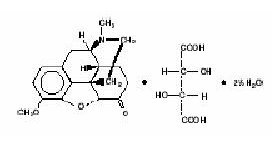
Hydrocodone bitartrate is an opioid analgesic and antitussive and occurs as fine, white crystals or as a crystalline powder. It is affected by light. The chemical name is: 4,5α-epoxy-3-methoxy-17-methylmorphinan-6-one tartrate (1:1) hydrate (2:5). It has the following structural formula:

Hydrocodone Bitartrate Structural Formula

C18H21NO3• C4H6O6• 2½H2O M.W. 494.490

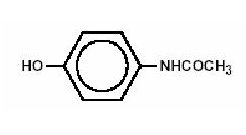
Acetaminophen, 4'-hydroxyacetanilide, a slightly bitter, white, odorless, crystalline powder, is a non-opiate, non-salicylate analgesic and antipyretic. It has the following structural formula:

Acetaminophen Structural FormulaAcetaminophen Structural Formula

C8H9NO2 M.W. 151.16

Each Hydrocodone Bitartrate and Acetaminophen Tablet, USP contains:

Hydrocodone Bitartrate, USP ......................... 10 mg

WARNING: May be habit-forming

Acetaminophen, USP .................................... 650 mg

In addition, each tablet contains the following inactive ingredients: colloidal silicon dioxide, magnesium stearate and microcrystalline cellulose.

Meets USP Dissolution Test 1.

CLINICAL PHARMACOLOGY SECTION

CLINICAL PHARMACOLOGY

Hydrocodone is a semisynthetic narcotic analgesic and antitussive with multiple actions qualitatively similar to those of codeine. Most of these involve the central nervous system and smooth muscle. The precise mechanism of action of hydrocodone and other opiates is not known, although it is believed to relate to the existence of opiate receptors in the central nervous system. In addition to analgesia, narcotics may produce drowsiness, changes in mood and mental clouding.

The analgesic action of acetaminophen involves peripheral influences, but the specific mechanism is as yet undetermined. Antipyretic activity is mediated through hypothalamic heat regulating centers. Acetaminophen inhibits prostaglandin synthetase. Therapeutic doses of acetaminophen have negligible effects on the cardiovascular or respiratory systems; however, toxic doses may cause circulatory failure and rapid, shallow breathing.

PHARMACOKINETICS SECTION

PHARMACOKINETICS

The behavior of the individual components is described below.

Hydrocodone:  Following a 10 mg oral dose of hydrocodone administered to five adult male subjects, the mean peak concentration was 23.6 ± 5.2 ng/mL. Maximum serum levels were achieved at 1.3 ± 0.3 hours and the half-life was determined to be 3.8 ± 0.3 hours. Hydrocodone exhibits a complex pattern of metabolism including O-demethylation, N-demethylation and 6-keto reduction to the corresponding 6-α- and 6-β-hydroxymetabolites. See OVERDOSAGE for toxicity information.

Acetaminophen:   Acetaminophen is rapidly absorbed from the gastrointestinal tract and is distributed throughout most body tissues. The plasma half-life is 1.25 to 3 hours, but may be increased by liver damage and following overdosage. Elimination of acetaminophen is principally by liver metabolism (conjugation) and subsequent renal excretion of metabolites. Approximately 85% of an oral dose appears in the urine within 24 hours of administration, most as the glucuronide conjugate, with small amounts of other conjugates and unchanged drug. See OVERDOSAGE for toxicity information.

INDICATIONS & USAGE SECTION

INDICATIONS and USAGE

Hydrocodone bitartrate and acetaminophen tablets, USP are indicated for the relief of moderate to moderately severe pain.

CONTRAINDICATIONS SECTION

CONTRAINDICATIONS

This product should not be administered to patients who have previously exhibited hypersensitivity to hydrocodone or acetaminophen, or any other component of this product.

Patients known to be hypersensitive to other opioids may exhibit cross sensitivity to hydrocodone.

WARNINGS SECTION

WARNINGS

Respiratory Depression

At high doses or in sensitive patients, hydrocodone may produce dose-related respiratory depression by acting directly on the brain stem respiratory center. Hydrocodone also affects the center that controls respiratory rhythm, and may produce irregular and periodic breathing.

Head Injury and Increased Intracranial Pressure

The respiratory depressant effects of narcotics and their capacity to elevate cerebrospinal fluid pressure may be markedly exaggerated in the presence of head injury, other intracranial lesions or a preexisting increase in intracranial pressure. Furthermore, narcotics produce adverse reactions which may obscure the clinical course of patients with head injuries.

Acute Abdominal Conditions

The administration of narcotics may obscure the diagnosis or clinical course of patients with acute abdominal conditions.

Misuse, Abuse, And Diversion Of Opioids

Hydrocodone bitartrate and acetaminophen tablets contain hydrocodone, an opioid agonist, and is a Schedule III controlled substance. Opioid agonists have the potential for being abused and are sought by abusers and people with addiction disorders, and are subject to diversion.

Hydrocodone bitartrate and acetaminophen tablets can be abused in a manner similar to other opioid agonists, legal or illicit. This should be considered when prescribing or dispensing Hydrocodone bitartrate and acetaminophen tablets in situations where the physician or pharmacist is concerned about an increased risk of misuse, abuse or diversion (see DRUG ABUSE AND DEPENDENCE).

PRECAUTIONS SECTION

PRECAUTIONS

General   

Special Risk Patients:  As with any narcotic analgesic agent, hydrocodone bitartrate and acetaminophen tablets should be used with caution in elderly or debilitated patients and those with severe impairment of hepatic or renal function, hypothyroidism, Addison's disease, prostatic hypertrophy or urethral stricture. The usual precautions should be observed and the possibility of respiratory depression should be kept in mind.

Cough Reflex:  Hydrocodone suppresses the cough reflex; as with all narcotics, caution should be exercised when hydrocodone bitartrate and acetaminophen tablets are used postoperatively and in patients with pulmonary disease.

INFORMATION FOR PATIENTS SECTION

Information for Patients   

Hydrocodone, like all narcotics, may impair the mental and/or physical abilities required for the performance of potentially hazardous tasks such as driving a car or operating machinery; patients should be cautioned accordingly.

Alcohol and other CNS depressants may produce an additive CNS depression, when taken with this combination product, and should be avoided.

Hydrocodone may be habit-forming. Patients should take the drug only for as long as it is prescribed, in the amounts prescribed, and no more frequently than prescribed.

LABORATORY TESTS SECTION

Laboratory Tests   

In patients with severe hepatic or renal disease, effects of therapy should be monitored with serial liver and/or renal function tests.

DRUG INTERACTIONS SECTION

Drug Interactions 

Patients receiving other narcotic analgesics, antihistamines, antipsychotics, anti-anxiety agents, or other CNS depressants (including alcohol) concomitantly with hydrocodone bitartrate and acetaminophen tablets may exhibit an additive CNS depression. When combined therapy is contemplated, the dose of one or both agents should be reduced.

The use of MAO inhibitors or tricyclic antidepressants with hydrocodone preparations may increase the effect of either the antidepressant or hydrocodone.

DRUG & OR LABORATORY TEST INTERACTIONS SECTION

Drug/Laboratory Test Interactions

Acetaminophen may produce false-positive test results for urinary 5-hydroxyindoleacetic acid.

CARCINOGENESIS & MUTAGENESIS & IMPAIRMENT OF FERTILITY SECTION

Carcinogenesis, Mutagenesis, Impairment of Fertility

No adequate studies have been conducted in animals to determine whether hydrocodone or acetaminophen have a potential for carcinogenesis, mutagenesis, or impairment of fertility. Pregnancy

Teratogenic Effects:  Pregnancy Category C: There are no adequate and well-controlled studies in pregnant women. Hydrocodone bitartrate and acetaminophen tablets should be used during pregnancy only if the potential benefit justifies the potential risk to the fetus.

Nonteratogenic Effects:  Babies born to mothers who have been taking opioids regularly prior to delivery will be physically dependent. The withdrawal signs include irritability and excessive crying, tremors, hyperactive reflexes, increased respiratory rate, increased stools, sneezing, yawning, vomiting, and fever. The intensity of the syndrome does not always correlate with the duration of maternal opioid use or dose. There is no consensus on the best method of managing withdrawal.

LABOR & DELIVERY SECTION

Labor and Delivery  

As with all narcotics, administration of this product to the mother shortly before delivery may result in some degree of respiratory depression in the newborn, especially if higher doses are used.

NURSING MOTHERS SECTION

Nursing Mothers   

Acetaminophen is excreted in breast milk in small amounts, but the significance of its effects on nursing infants is not known. It is not known whether hydrocodone is excreted in human milk. Because many drugs are excreted in human milk and because of the potential for serious adverse reactions in nursing infants from hydrocodone and acetaminophen, a decision should be made whether to discontinue nursing or to discontinue the drug, taking into account the importance of the drug to the mother.

PEDIATRIC USE SECTION

Pediatric Use

Safety and effectiveness in pediatric patients have not been established.

GERIATRIC USE SECTION

Geriatric Use

Clinical studies of hydrocodone bitartrate and acetaminophen did not include sufficient numbers of subjects aged 65 and over to determine whether they respond differently from younger subjects. Other reported clinical experience has not identified differences in responses between the elderly and younger patients. In general, dose selection for an elderly patient should be cautious, usually starting at the low end of the dosing range, reflecting the greater frequency of decreased hepatic, renal, or cardiac function, and of concomitant disease or other drug therapy.

Hydrocodone and the major metabolites of acetaminophen are known to be substantially excreted by the kidney. Thus the risk of toxic reactions may be greater in patients with impaired renal function due to the accumulation of the parent compound and/or metabolites in the plasma. Because elderly patients are more likely to have decreased renal function, care should be taken in dose selection, and it may be useful to monitor renal function.

Hydrocodone may cause confusion and over-sedation in the elderly; elderly patients generally should be started on low doses of hydrocodone bitartrate and acetaminophen tablets and observed closely.

ADVERSE REACTIONS SECTION

ADVERSE REACTIONS

The most frequently reported adverse reactions are light-headedness, dizziness, sedation, nausea and vomiting. These effects seem to be more prominent in ambulatory than in non-ambulatory patients, and some of these adverse reactions may be alleviated if the patient lies down.

Other adverse reactions include:

Central Nervous System:  Drowsiness, mental clouding, lethargy, impairment of mental and physical performance, anxiety, fear, dysphoria, psychic dependence, mood changes.

Gastrointestinal System:  Prolonged administration of hydrocodone bitartrate and acetaminophen tablets may produce constipation.

Genitourinary System:  Ureteral spasm, spasm of vesical sphincters and urinary retention have been reported with opiates.

Respiratory Depression:  Hydrocodone bitartrate may produce dose-related respiratory depression by acting directly on the brain stem respiratory centers (see OVERDOSAGE).

Special Senses:  Cases of hearing impairment or permanent loss have been reported predominantly in patients with chronic overdose.

Dermatological:  Skin rash, pruritus.

The following adverse drug events may be borne in mind as potential effects of acetaminophen: allergic reactions, rash, thrombocytopenia, agranulocytosis. Potential effects of high dosage are listed in the OVERDOSAGE section.

DRUG ABUSE AND DEPENDENCE SECTION

DRUG ABUSE AND DEPENDENCE

Misuse, Abuse, And Diversion Of Opioids

Hydrocodone bitartrate and acetaminophen tablets contain hydrocodone, an opioid agonist, and is a Schedule III controlled substance. Hydrocodone bitartrate and acetaminophen tablets, and other opioids, used in analgesia can be abused and are subject to criminal diversion.

Addiction is a primary, chronic, neurobiologic disease, with genetic, psychosocial, and environmental factors influencing its development and manifestations. It is characterized by behaviors that include one or more of the following: impaired control over drug use, compulsive use, continued use despite harm, and craving. Drug addiction is a treatable disease utilizing a multidisciplinary approach, but relapse is common.

“Drug seeking” behavior is very common in addicts and drug abusers. Drug-seeking tactics include emergency calls or visits near the end of office hours, refusal to undergo appropriate examination, testing or referral, repeated “loss” of prescriptions, tampering with prescriptions and reluctance to provide prior medical records or contact information for other treating physician(s). “Doctor shopping” to obtain additional prescriptions is common among drug abusers and people suffering from untreated addiction.

Abuse and addiction are separate and distinct from physical dependence and tolerance. Physical dependence usually assumes clinically significant dimensions only after several weeks of continued opioid use, although a mild degree of physical dependence may develop after a few days of opioid therapy. Tolerance, in which increasingly large doses are required in order to produce the same degree of analgesia, is manifested initially by a shortened duration of analgesic effect, and subsequently by decreases in the intensity of analgesia. The rate of development of tolerance varies among patients. Physicians should be aware that abuse of opioids can occur in the absence of true addiction and is characterized by misuse for non-medical purposes, often in combination with other psychoactive substances. Hydrocodone bitartrate and acetaminophen tablets, like other opioids, may be diverted for non-medical use. Record-keeping of prescribing information, including quantity, frequency, and renewal requests is strongly advised.

Proper assessment of the patient, proper prescribing practices, periodic re-evaluation of therapy, and proper dispensing and storage are appropriate measures that help to limit abuse of opioid drugs.

OVERDOSAGE SECTION

OVERDOSAGE

Following an acute overdosage, toxicity may result from hydrocodone or acetaminophen.

Signs and Symptoms 

Hydrocodone: Serious overdose with hydrocodone is characterized by respiratory depression (a decrease in respiratory rate and/or tidal volume, Cheyne-Stokes respiration, cyanosis), extreme somnolence progressing to stupor or coma, skeletal muscle flaccidity, cold and clammy skin, and sometimes bradycardia and hypotension. In severe overdosage, apnea, circulatory collapse, cardiac arrest and death may occur.

Acetaminophen:  In acetaminophen overdosage: dose-dependent, potentially fatal hepatic necrosis is the most serious adverse effect. Renal tubular necrosis, hypoglycemic coma, and thrombocytopenia may also occur.

Early symptoms following a potentially hepatotoxic overdose may include: nausea, vomiting, diaphoresis and general malaise. Clinical and laboratory evidence of hepatic toxicity may not be apparent until 48 to 72 hours post-ingestion.

In adults, hepatic toxicity has rarely been reported with acute overdoses of less than 10 grams, or fatalities with less than 15 grams.

Treatment

A single or multiple overdose with hydrocodone and acetaminophen is a potentially lethal polydrug overdose, and consultation with a regional poison control center is recommended.

Immediate treatment includes support of cardiorespiratory function and measures to reduce drug absorption. Vomiting should be induced mechanically, or with syrup of ipecac, if the patient is alert (adequate pharyngeal and laryngeal reflexes). Oral activated charcoal (1 g/kg) should follow gastric emptying. The first dose should be accompanied by an appropriate cathartic. If repeated doses are used, the cathartic might be included with alternate doses as required. Hypotension is usually hypovolemic and should respond to fluids. Vasopressors and other supportive measures should be employed as indicated. A cuffed endotracheal tube should be inserted before gastric lavage of the unconscious patient and, when necessary, to provide assisted respiration.

Meticulous attention should be given to maintaining adequate pulmonary ventilation. In severe cases of intoxication, peritoneal dialysis, or preferably hemodialysis may be considered. If hypoprothrombinemia occurs due to acetaminophen overdose, vitamin K should be administered intravenously.

Naloxone, a narcotic antagonist, can reverse respiratory depression and coma associated with opioid overdose. Naloxone hydrochloride 0.4 mg to 2 mg is given parenterally. Since the duration of action of hydrocodone may exceed that of the naloxone, the patient should be kept under continuous surveillance and repeated doses of the antagonist should be administered as needed to maintain adequate respiration. A narcotic antagonist should not be administered in the absence of clinically significant respiratory or cardiovascular depression.

If the dose of acetaminophen may have exceeded 140 mg/kg, acetylcysteine should be administered as early as possible. Serum acetaminophen levels should be obtained, since levels four or more hours following ingestion help predict acetaminophen toxicity. Do not await acetaminophen assay results before initiating treatment. Hepatic enzymes should be obtained initially, and repeated at 24-hour intervals.

Methemoglobinemia over 30% should be treated with methylene blue by slow intravenous administration.

The toxic dose for adults for acetaminophen is 10 g.

DOSAGE & ADMINISTRATION SECTION

DOSAGE and ADMINISTRATION

Dosage should be adjusted according to the severity of the pain and the response of the patient. However, it should be kept in mind that tolerance to hydrocodone can develop with continued use and that the incidence of untoward effects is dose related.

The usual adult dosage is one tablet every four to six hours as needed for pain. The total daily dose should not exceed 6 tablets.

HOW SUPPLIED SECTION

HOW SUPPLIED

Hydrocodone Bitartrate and Acetaminophen Tablets, USP, each tablet of which contains hydrocodone bitartrate 10 mg (WARNING: May be habit-forming) and acetaminophen 650 mg, are white to off-white, scored, oblong biconvex tablets, debossed “IP 114” on obverse and bisected on the reverse.

They are available as follows:

Bottles of 100:   NDC 53746-114-01

Bottles of 500:   NDC 53746-114-05

Bottles of 1000: NDC 53746-114-10

STORAGE AND HANDLING SECTION

Storage:   Store at 25°C (77°F); excursions permitted to 15° to 30°C (59° to 86°F) [see USP Controlled Room Temperature].

Dispense in a tight, light-resistant container with a child-resistant closure.

Rx Only

A Schedule CIII Controlled Drug Substance.


Manufactured by:

Amneal Pharmaceuticals of NY

Hauppauge, NY 11788

Distributed by:

Amneal Pharmaceuticals

Glasgow, KY 42141

Rev. 07-2010

PACKAGE LABEL.PRINCIPAL DISPLAY PANEL

NDC 53746-114-05

Hydrocodone Bitartrate and Acetaminophen Tablets, USP  CIII

10 mg / 650 mg

MULTIPLE STRENGTHS: DO NOT DISPENSE UNLESS STRENGTH IS STATED.

IP 114 Rx only

500 TABLETS

amneal PHARNACEUTICALS

Each tablet contains:

Hydrocodone Bitartrate, USP.......................................10 mg

WARNING: May be habit forming.

Acetaminophen, USP..................................................650 mg

USUAL DOSAGE: See package insert for complete dosage recommendations.

WARNING: Keep this and all drug out of the reach of children.

PHARMACIST: Dispense in a tight, light-resistant container with a child-resistant closure.

Protect from light.

STORAGE: Store at 25 degee C (77 degree F); excursions permitted to 15 degree to 30 degree Centigrade (59 degree to 86 degree F) [See USP Controlled Room Temperature].

Manufactured by:       Amneal Pharmaceuticals of NY
                                Hauppauge, NY 11788

Distributed by:           Amneal Pharmaceuticals
                                Glasgow, KY 42141

Rev. 07-2010

N3  53746-114-05    1

Lot No:

Exp. Date:         No Varnish

SPL UNCLASSIFIED SECTION

Theramine™ PRODUCT INFORMATION   Theramine (U.S. patent pending) capsules by oral administration. A specially formulated Medical Food product, consisting of a proprietary blend of amino acids and polyphenol ingredients in specific proportions, for the dietary management of the metabolic processes associated with pain disorders and inflammatory conditions. (PD) (IC). Must be administered under physician supervision.   Medical Foods   Medical Food products are often used in hospitals (e.g., for burn victims or kidney dialysis patients) and outside of a hospital setting under a physician’s care for the dietary management of diseases in patients with particular medical or metabolic needs due to their disease or condition. Congress defined "Medical Food" in the Orphan Drug Act and Amendments of 1988 as "a food which is formulated to be consumed or administered enterally [or orally] under the supervision of a physician and which is intended for the specific dietary management of a disease or condition for which distinctive nutritional requirements, based on recognized scientific principles, are established by medical evaluation." Medical Foods are complex formulated products, requiring sophisticated and exacting technology. Theramine has been developed, manufactured, and labeled in accordance with both the statutory and the FDA regulatory definition of a Medical Food. Theramine must be used while the patient is under the ongoing care of a physician.   PAIN DISORDERS (PD) INFLAMMATORY CONDITIONS (IC)   PD and IC as a Metabolic Deficiency Disease   A critical component of the definition of a Medical Food is the requirement for a distinctive nutritional deficiency. FDA scientists have proposed a physiologic definition of a distinctive nutritional deficiency as follows: “the dietary management of patients with specific diseases requires, in some instances, the ability to meet nutritional requirements that differ substantially from the needs of healthy persons. For example, in establishing the recommended dietary allowances for general, healthy population, the Food and Nutrition Board of the Institute of Medicine National Academy of Sciences, recognized that different or distinctive physiologic requirements may exist for certain persons with "special nutritional needs arising from metabolic disorders, chronic diseases, injuries, premature birth, other medical conditions and drug therapies. Thus, the distinctive nutritional needs associated with a disease reflects the total amount needed by a healthy person to support life or maintain homeostasis, adjusted for the distinctive changes in the nutritional needs of the patient as a result of the effects of the disease process on absorption, metabolism and excretion.” It was also proposed that in patients with certain disease states who respond to nutritional therapies, a physiologic deficiency of the nutrient is assumed to exist. For example, if a patient with pain disorders responds to a tryptophan formulation by decreasing perceived pain, a deficiency of tryptophan is assumed to exist. Patients with pain disorders and inflammatory conditions are known to have nutritional deficiencies of tryptophan, choline, arginine, GABA, flavonoids, and certain antioxidants. Patients with pain disorders and inflammatory conditions frequently exhibit reduced plasma levels of tryptophan and GABA and have been shown to respond to oral administration of GABA, arginine, tryptophan, or a 5-hydoxytryptophan formulation. Research has shown that tryptophan, arginine or GABA reduced diets result in a fall of circulating tryptophan, arginine, and/or GABA.   Patients with pain disorders frequently exhibit activation of the degradation pathways that increases the turnover of GABA, arginine and/or tryptophan leading to a reduced level of production of serotonin, GABA or nitric oxide for a given precursor blood level. Research has also shown that a genetic predisposition to accelerated degradation can lead to increased precursor requirements in certain patients with pain disorders and inflammatory conditions.   Choline is required to fully potentiate acetylcholine synthesis by brain neurons. A deficiency of choline leads to reduced acetylcholine production by the neurons. Flavonoids potentiate the production of acetylcholine by the neurons thereby reducing delta pain. Diets deficient in flavonoid rich foods and choline result in inadequate flavonoid concentrations, impeding acetylcholine production in certain patients with pain disorders and/or inflammatory conditions. Acetylcholine in pre-synaptic ganglia is necessary for the production of serotonin and nitric oxide in post-synaptic ganglia. Provision of tryptophan, arginine, GABA, choline and flavonoids with antioxidants, in specific proportions can restore the production of beneficial serotonin, nitric oxide, and acetylcholine, thereby reducing the perception of pain and reducing inflammation. L-Histidine is known to produce brain histamine that stimulates production of ACTH.

DESCRIPTION SECTION

PRODUCT DESCRIPTION   Primary Ingredients Theramine consists of a proprietary blend of amino acids, cocoa, caffeine, cinnamon, and flavonoids in specific proportions. These ingredients fall into the category of Generally Regarded as Safe” (GRAS) as defined by the Food and Drug Administration (FDA) (Sections 201(s) and 409 of the Federal Food, Drug, and Cosmetic Act). A GRAS substance is distinguished from a food additive on the basis of the common knowledge about the safety of the substance for its intended use. The standard for an ingredient to achieve GRAS status requires not only technical demonstration of non-toxicity and safety, but also general recognition of safety through widespread usage and agreement of that safety by experts in the field. Many ingredients have been determined by the U.S. Food and Drug Administration (FDA) to be GRAS, and are listed as such by regulation, in Volume 21 Code of Federal Regulations (CFR) Sections 182, 184, and 186.   Amino Acids   Amino Acids are the building blocks of protein. All amino acids are GRAS listed as they have been ingested by humans for thousands of years. The doses of the amino acids in Theramine are equivalent to those found in the usual human diet. Patients with pain disorders may require an increased amount of certain amino acids that cannot be obtained from normal diet alone. Tryptophan, for example, is an obligatory amino acid. The body cannot make tryptophan and must obtain tryptophan from the diet. Tryptophan is needed to produce serotonin. Serotonin is required to reduce pain. Patients with pain disorders and inflammatory conditions have altered serotonin metabolism. Some patients with pain disorders and inflammatory conditions have a resistance to the use of tryptophan that is similar to the mechanism found in insulin resistance. Patients with pain disorders and inflammatory conditions cannot acquire sufficient tryptophan from the diet to alter the perception of pain and the inflammatory process without ingesting a prohibitively large amount of calories, particularly calories from protein.  Flavonoids   Flavonoids are a group of phytochemical compounds found in all vascular plants including fruits and vegetables. They are a part of a larger class of compounds known as polyphenols. Many of the therapeutic or health benefits of colored fruits and vegetables, cocoa, red wine, and green tea are directly related to their flavonoid content. The specially formulated flavonoids found in Theramine cannot be obtained from conventional foods in the necessary proportions to elicit a therapeutic response.   Other Ingredients Theramine contains the following inactive or other ingredients, as fillers, excipients, and colorings: magnesium stearate, microcrystalline cellulose, Maltodextrin NF, gelatin (as the capsule material).   Physical Description   Theramine is a yellow to light brown powder. Theramine contains L-Glutamine, L-Arginine, L-Histidine, and L-Serine, 5-Hydroxytryptophan as Griffonia Seed Extract, GABA, Choline Bitartrate, Cinnamon, Cocoa, Hydrolyzed Whey Protein, and Grape Seed Extract.

CLINICAL PHARMACOLOGY SECTION

CLINICAL PHARMACOLOGY   Mechanism of Action Theramine acts by restoring and maintaining the balance of the neurotransmitters; GABA, nitric oxide, serotonin, and acetylcholine that are associated with pain disorders and inflammatory conditions. Theramine stimulates the production ACTH to reduce inflammation.   Metabolism   The amino acids in Theramine are primarily absorbed by the stomach and small intestines. All cells metabolize the amino acids in Theramine. Circulating tryptophan, arginine and choline blood levels determine the production of serotonin, nitric oxide, and acetylcholine.   Excretion   Theramine is not an inhibitor of cytochrome P450 1A2, 2C9, 2C19, 2D6, or 3A4. These isoenzymes are principally responsible for 95% of all detoxification of drugs, with CYP3A4 being responsible for detoxification of roughly 50% of drugs. Amino acids do not appear to have an effect on drug metabolizing enzymes.

INDICATIONS & USAGE SECTION

INDICATIONS FOR USE  Theramine is intended for the clinical dietary management of the metabolic processes of pain disorders and inflammatory conditions.

CLINICAL STUDIES SECTION

CLINICAL EXPERIENCE   Administration of Theramine has demonstrated significant reduction in symptoms of pain and inflammation in patients with acute and chronic pain when used for the dietary management of the metabolic processes associated with pain disorders and inflammatory conditions. Administration of Theramine results in the induction and maintenance of pain relief in patients with pain disorders and inflammatory conditions.

CONTRAINDICATIONS SECTION

PRECAUTIONS AND CONTRAINDICATIONS   Theramine is contraindicated in an extremely small number of patients with hypersensitivity to any of the nutritional components of Theramine.

ADVERSE REACTIONS SECTION

ADVERSE REACTIONS   Oral supplementation with L-tryptophan, L-arginine or choline at high doses up to 15 grams daily is generally well tolerated. The most common adverse reactions of higher doses — from 15 to 30 grams daily — are nausea, abdominal cramps, and diarrhea. Some patients may experience these symptoms at lower doses. The total combined amount of amino acids in each Theramine capsule does not exceed 400 mg.

DRUG INTERACTIONS SECTION

DRUG INTERACTIONS   Theramine does not directly influence the pharmacokinetics of prescription drugs. Clinical experience has shown that administration of Theramine may allow for lowering the dose of co-administered drugs under physician supervision.

OVERDOSAGE SECTION

OVERDOSE   There is a negligible risk of overdose with Theramine as the total dosage of amino acids in a one month supply (90 capsules) is less than 36 grams. Overdose symptoms may include diarrhea, weakness, and nausea. POST-MARKETING SURVEILLANCE   Post-marketing surveillance has shown no serious adverse reactions. Reported cases of mild rash and itching may have been associated with allergies to Theramine flavonoid ingredients, including cinnamon, cocoa, and chocolate. These reactions were transient in nature and subsided within 24 hours.

DOSAGE & ADMINISTRATION SECTION

DOSAGE AND ADMINISTRATION   Recommended Administration For the dietary management of the metabolic processes associated with pain disorders and inflammatory conditions. Take (2) capsules one to three times daily or as directed by physician. As with most amino acid formulations Theramine should be taken without food to increase the absorption of key ingredients.

HOW SUPPLIED SECTION

How Supplied   Theramine is supplied in purple and white, size 0 capsules in bottles of 60 or 90 capsules.   Physician Supervision   Theramine is a Medical Food product available by prescription only and must be used while the patient is under ongoing physician supervision.  U.S. patent pending.  Manufactured by Arizona Nutritional Supplements, Inc. Chandler AZ 85225   Distributed by Physician Therapeutics LLC, Los Angeles, CA 90077. www.ptlcentral.com   Copyright 2003-2006, Physician Therapeutics LLC, all rights reserved   NDC: 68405-1008-02   NDC: 68405-1008-03

STORAGE AND HANDLING SECTION

Storage   Store at room temperature, 59-86OF (15-30OC) Protect from light and moisture. Theramine is supplied to physicians in a recyclable plastic bottle with a child-resistant cap.

PACKAGE LABEL.PRINCIPAL DISPLAY PANEL

PHYSICIAN THERAPEUTICS  THERAMINE Medical Food Rx only 90 Capsules  Directions for use:  Must be administered under medical supervision.  For adults only.  As a Medical Food, take one (1) or two (2) capsules every four hours or as directed by your medical practitioner.  For the dietary management of Myalgia.  Contains no added sugar, starch, wheat, yeast, preservatives, artificial flavor.  Storage:  Keep tightly closed in a cool dry place 8-320 C (45-900 F), relative humidity, below 50%.  Warning: Keep this product out of the reach of children.  NDC# 68405-1008-03  Ingredients:  Each serving (per 2 capsules) contains: Proprietary Amino Acid Blend  Griffonia Seed Extract (5-HTP), Whey Protein Hydrolysate, L-Arginini, L-Histidine (as L-Histidine HCl), L-Glutamine, L-Serine,  Gamma Amino Butyric Acid, Choline Bitartrate, Cocoa (6% Theobromine) (fruit), Grape Extract (95% Polyphenols) (seed), Cinnamon (bark)  Other Ingredients: Gelatin, Silicon Dioxide, Tricalcium phosphate, Vegetable Magnesium Stearate, Cellulose, FD and C Blue #1, FD and C red#3, titanium dioxide.  Distributed by:  Physician Therapeutics LLC, Los Angeles, CA 90077 www.ptlcentral.com  Patent Pending

PACKAGE LABEL.PRINCIPAL DISPLAY PANEL

For the Dietary Management of Pain and Inflammation.  Two capsules twice daily or as directed by physician. See Product label and insert.  Theramine Medical Food  A Convenience Packed Medical Food and Drug  Theracodophen-650  PHYSICIAN THERAPEUTICS  - Theramine 90 Capsules  - Hydrocodone 10 mg + Acetaminophen 650 mg 60 Tablets Rx Only  NDC# 68405-8198-36  of this co-pack  No Refills Without Physician Authorization  FRONT VIEW  As prescribed by physician. See product label and product information insert.  Hydrocodone 10 mg + Acetaminophen 650 mg  Rx Drug  68405-8198-36  BACK VIEW  Physician Therapeutics LLC  Los Angeles, CA 90077  on November 21, 2006

PACKAGE LABEL.PRINCIPAL DISPLAY PANEL


Theramine 90Theramine 90

Hydrocodone_Bit_Acet 10-650Hydrocodone_Bit_Acet 10-650

PACKAGE LABEL.PRINCIPAL DISPLAY PANEL

Theracodophen 650 Label

DailyMed RxNorm Mappings#

RxCUI, RxNorm string, TTY table
RxCUIRxNorm stringTTYSPL version
857383HYDROcodone bitartrate 10 MG / acetaminophen 650 MG Oral TabletPSN8
857383acetaminophen 650 MG / hydrocodone bitartrate 10 MG Oral TabletSCD8
857383APAP 650 MG / hydrocodone bitartrate 10 MG Oral TabletSY8

DailyMed Pharmacologic Classes#

Class, Version, Type table
ClassVersionTypeEffective
HYDROCODONE Pharmacologic Class Indexing2Indexing - Pharmacologic Class20180813

DailyMed Product Concepts#

Product concept, Relation, Version table
Product conceptRelationVersionEffective
75d4bef7-334c-4a95-abb5-bff9def24114Product name220260112
7dea7767-9f52-b60a-5435-33cb9cc28baeProduct name420250124
6338270f-96cb-0ecb-6fbb-0a9bc78001f4Product name720250116
11939cf5-0ea7-5df5-5127-00a7ce07fd7fProduct name520250115
0ca83774-3f79-b837-5d6f-c210102f3bc8Product name620250114
88300afc-e1c4-ad17-c80b-4957f1b809a5Product name520250113
4eddd6ca-259a-4c6c-a3a4-2025015ce043Product name720240611
16cde546-8deb-4df2-a072-dab5566ede95Product name120231003
20ab58de-c64a-4ec2-9210-3aa3fae2b66fProduct name120230808
a3631b20-02d1-41d7-8187-5e5e850b9e80Product name120230306
79e1734e-f721-4d46-978a-be382f771672Product name220230110
41b814f3-0166-1c53-c9ef-a0794c7daf9dProduct name320221110
a590be26-846c-8659-a5a1-fb25907965dcProduct name220221110
06cc817f-60e0-4473-8e6b-c44d11dc5af6Product name920220921
92ead9ae-674d-4eee-a492-c385d496891fProduct name320220308
53523715-c529-4d52-b9ff-1e5d76636f53Product name220210818
31b11e56-5b35-4ab6-a3a8-f0b48973dcedProduct name220200611
103b151b-b17f-42ac-8624-3ef62f5e2975Product name220200507
b8497372-efe9-9dde-fa2d-59be9761aa64Product name920200428
20c8cafe-5cfc-44f8-a9be-a664f437f780Product name220200225
3a16d77a-e865-468a-aedf-6e58913c1c21Product name320190619
2a0c98e1-033f-4e0d-a0da-b5291ffbe880Product name120190320
00d531e4-b130-8c52-eaf9-826cbb6f15ddProduct name320190205
aa0f353d-f35e-62e4-4e1f-5b563f01c659Product name920190205
22d922aa-c443-d9f3-b23c-03b03a9ad31cProduct name720181220
7855f8e3-562e-4273-8b79-0059c07a71f7Product name120170901
d17a97fa-387f-690e-d2be-0083ab044a03Product name320170725
0fdb98e2-b951-a1ce-5715-2b187ba500efProduct name420170718
377068df-225f-7318-a910-a1987cdfa361Product name320170608
a5244f9c-cd67-0e27-d63b-65fd7e584400Product name220170504
b654f2d9-ebeb-451d-96ee-22f583344623Product name120170424
557673c2-8256-b351-e863-4ec71a5a64b0Product name220160714
e974e22d-8688-7d92-1e87-40c1079e170cProduct name320151125
4fe95224-f543-4dbb-9445-8cca122b48c8Product name120150609
e8718272-64cb-4436-969b-176c3067c8f4Product name120150609
106ff02a-57e1-4c4c-a307-fd582ff4e311Product name120150212
23475c0b-a5b5-4fec-b97f-acca901eae6aProduct name120140718
105ef617-6fa4-6713-326f-72ec8a6b75a9Product name120140508
332e86c3-7875-ca6e-f934-2206d2b31996Product name120140508
3ed6b849-48b8-8899-c288-6eeb396123b6Product name120140508
47fd879b-91c5-e1e5-130f-29d082a871ecProduct name120140508
53855190-7124-8179-f018-e792f7c27f28Product name120140508
61c18d4e-b552-5478-8fc0-df38b93e3100Product name120140508
7dfac40f-a405-cd2e-7c06-3059ec0e1092Product name120140508
84fb0b3d-1d72-b672-bc70-2b676a23e7e0Product name120140508
96c5169b-5b9d-547d-bf22-d688d91866e4Product name120140508
b8e0daf1-fb81-290b-c0bf-873be19ef775Product name120140508
c35d1ac8-8885-2ee1-6c52-5a715b242c00Product name120140508
c8753a88-edde-8e17-a396-705537b52ceeProduct name120140508
cd4f9ae2-1343-ecd2-ce0f-97db0c2b51ceProduct name120140508
cf3a804d-0326-aa22-0142-c184b5657d85Product name120140508
d83c592c-dd97-4cbf-36ac-13da806684bdProduct name120140508
e01133ad-4dcd-c7f3-454b-2ff569ee160aProduct name120140508

FDA-Initiated Inactive NDC Indexing#

NDC, Effective, Action table
NDCEffectiveActionDocumentIndexing SPLRelated label
68405-198-362019-10-29C16284748780-1960f7f55-d424-8e05-e053-dbdaa90a074aTheracodophen-650

DailyMed Package Descriptions#

Package NDC, Product, Description table
Package NDCProductDescriptionFormQuantityStrengthSPL version
52959-371-60Theracodophen-65060 in 1 BOTTLETABLET6010 mg8
68405-198-36Theracodophen-6501 in 1 KITKIT18

DailyMed Dashboard NDC Coverage#

NDC, Dashboard title, SPL version table
NDCDashboard titleSPL versionValidationDashboard ZIP
52959-371THERACODOPHEN-650 (HYDROCODONE BITARTRATE, ACETAMINOPHEN, .GAMMA.-AMINOBUTYRIC ACID) KIT [PHYSICIAN THERAPEUTICS LLC]8Unmatched20110815_09c9f50f-e78a-463f-b6da-49bf64b4ed40.zip
68405-198THERACODOPHEN-650 (HYDROCODONE BITARTRATE, ACETAMINOPHEN, .GAMMA.-AMINOBUTYRIC ACID) KIT [PHYSICIAN THERAPEUTICS LLC]82 package rows20110815_09c9f50f-e78a-463f-b6da-49bf64b4ed40.zip

DailyMed Billing Units#

Package NDC, Billing unit, Product NDC table
Package NDCBilling unitProduct NDCDailyMed indexing SPLSPL versionEffective
68405-198-36EA - Each68405-198f2f0a967-0ec8-45f5-bae0-bc18a968784012012-07-24
53746-114-01EA - Each53746-114b04fe1b5-6bb7-413b-b10b-aaaa0958690512012-07-24
53746-114-05EA - Each53746-114e10cde16-6036-40a9-8fdf-3b163b52549b12012-07-24
53746-114-10EA - Each53746-114c2e5fd1c-3709-40b1-9f7b-26762e12541a12012-07-24

DailyMed Socrata Ingredients#

Ingredient, Type, UNII table
IngredientTypeUNIISPL versionUploaded
.GAMMA.-AMINOBUTYRIC ACIDACTIVE INGREDIENT2ACZ6IPC6I8
ACETAMINOPHENACTIVE INGREDIENT362O9ITL9D8
HYDROCODONE BITARTRATEACTIVE INGREDIENTNO70W886KK8
.GAMMA.-AMINOBUTYRIC ACIDACTIVE MOIETY2ACZ6IPC6I8
ACETAMINOPHENACTIVE MOIETY362O9ITL9D8
HYDROCODONEACTIVE MOIETY6YKS4Y3WQ78
CELLULOSE, MICROCRYSTALLINEINACTIVE INGREDIENTOP1R32D61U8
GELATININACTIVE INGREDIENT2G86QN327L8
MAGNESIUM STEARATEINACTIVE INGREDIENT70097M6I308
MALTODEXTRININACTIVE INGREDIENT7CVR7L4A2D8

Products#

Every source-derived product name is available through these pages.

DailyMed product names page 1 of 1 · 13 matching rows.

NDC Codes#

Product NDC, Package NDC table
Product NDCPackage NDC
68405-19868405-198-36
52959-37152959-371-60
53746-114

Ingredients#

Every source-derived ingredient row is available through these pages.

DailyMed ingredient rows page 1 of 1 · 8 matching rows.

Source Document#

Source XML

Inactive ingredient matches#

Inactive Ingredient Database values describe FDA-listed use contexts. The match method and ambiguity count are shown because ingredient names, routes, and dosage forms are not always unique. Browse recovered IID releases and source provenance.

Inactive ingredient links page 1 of 3 · 126 matching rows.

DailyMed ingredient, IID ingredient, UNII table
DailyMed ingredientIID ingredientUNIIDosage form / routePotencyMaximum daily exposureMatch
MAGNESIUM STEARATEMAGNESIUM STEARATE70097M6I30TABLET, DELAYED RELEASE / ORAL144 mgExact identifier — unii candidate
39 equally ranked IID candidates
CELLULOSE, MICROCRYSTALLINEMICROCRYSTALLINE CELLULOSEOP1R32D61UCAPSULE, EXTENDED RELEASE / ORAL1246 mgExact identifier — unii candidate
28 equally ranked IID candidates
MAGNESIUM STEARATEMAGNESIUM STEARATE70097M6I30CREAM / TOPICALNAExact identifier — unii candidate
39 equally ranked IID candidates
CELLULOSE, MICROCRYSTALLINEMICROCRYSTALLINE CELLULOSEOP1R32D61UTABLET, ORALLY DISINTEGRATING / ORAL1800 mgExact identifier — unii candidate
28 equally ranked IID candidates
GELATINGELATIN2G86QN327LPOWDER, FOR SUSPENSION / ORALNAExact identifier — unii candidate
44 equally ranked IID candidates
CELLULOSE, MICROCRYSTALLINEMICROCRYSTALLINE CELLULOSEOP1R32D61UCAPSULE / ORAL2169 mgExact identifier — unii candidate
28 equally ranked IID candidates
MAGNESIUM STEARATEMAGNESIUM STEARATE70097M6I30POWDER, FOR SUSPENSION / ORAL120 mgExact identifier — unii candidate
39 equally ranked IID candidates
CELLULOSE, MICROCRYSTALLINEMICROCRYSTALLINE CELLULOSEOP1R32D61UPELLET / ORAL1140 mgExact identifier — unii candidate
28 equally ranked IID candidates
CELLULOSE, MICROCRYSTALLINEMICROCRYSTALLINE CELLULOSEOP1R32D61UTABLET, DELAYED RELEASE / ORAL2210 mgExact identifier — unii candidate
28 equally ranked IID candidates
CELLULOSE, MICROCRYSTALLINEMICROCRYSTALLINE CELLULOSEOP1R32D61USUSPENSION / ORAL1600 mgExact identifier — unii candidate
28 equally ranked IID candidates
GELATINGELATIN2G86QN327LPASTE / DENTAL252 mgExact identifier — unii candidate
44 equally ranked IID candidates
CELLULOSE, MICROCRYSTALLINEMICROCRYSTALLINE CELLULOSEOP1R32D61UTABLET / ORAL6184 mgExact identifier — unii candidate
28 equally ranked IID candidates
MAGNESIUM STEARATEMAGNESIUM STEARATE70097M6I30SUSPENSION / ORAL64 mgExact identifier — unii candidate
39 equally ranked IID candidates
MALTODEXTRINMALTODEXTRIN7CVR7L4A2DTABLET, EXTENDED RELEASE / ORAL3239 mgExact identifier — unii candidate
15 equally ranked IID candidates
MAGNESIUM STEARATEMAGNESIUM STEARATE70097M6I30TROCHE / ORAL315 mgExact identifier — unii candidate
39 equally ranked IID candidates
GELATINGELATIN2G86QN327LPOWDER / RESPIRATORY (INHALATION)100 mgExact identifier — unii candidate
44 equally ranked IID candidates
CELLULOSE, MICROCRYSTALLINEMICROCRYSTALLINE CELLULOSEOP1R32D61UTABLET, DELAYED RELEASE PARTICLES / ORAL580 mgExact identifier — unii candidate
28 equally ranked IID candidates
CELLULOSE, MICROCRYSTALLINEMICROCRYSTALLINE CELLULOSEOP1R32D61UPOWDER, FOR SOLUTION / ORAL690 mgExact identifier — unii candidate
28 equally ranked IID candidates
GELATINGELATIN2G86QN327LINJECTION, POWDER, FOR SOLUTION / SUBCUTANEOUS14 mgExact identifier — unii candidate
44 equally ranked IID candidates
CELLULOSE, MICROCRYSTALLINEMICROCRYSTALLINE CELLULOSEOP1R32D61UTABLET / BUCCAL18 mgExact identifier — unii candidate
28 equally ranked IID candidates
CELLULOSE, MICROCRYSTALLINEMICROCRYSTALLINE CELLULOSEOP1R32D61UTROCHE / ORAL300 mgExact identifier — unii candidate
28 equally ranked IID candidates
MAGNESIUM STEARATEMAGNESIUM STEARATE70097M6I30TABLET / SUBLINGUAL17.5 mgExact identifier — unii candidate
39 equally ranked IID candidates
GELATINGELATIN2G86QN327LINJECTION, POWDER, FOR SUSPENSION / INTRAMUSCULAR2 mgExact identifier — unii candidate
44 equally ranked IID candidates
CELLULOSE, MICROCRYSTALLINEMICROCRYSTALLINE CELLULOSEOP1R32D61UTABLET, CHEWABLE, EXTENDED RELEASE / ORAL144 mgExact identifier — unii candidate
28 equally ranked IID candidates
GELATINGELATIN2G86QN327LPASTILLE / ORAL143 mgExact identifier — unii candidate
44 equally ranked IID candidates
CELLULOSE, MICROCRYSTALLINEMICROCRYSTALLINE CELLULOSEOP1R32D61UTABLET, CHEWABLE / ORAL1725 mgExact identifier — unii candidate
28 equally ranked IID candidates
GELATINGELATIN2G86QN327LCAPSULE, LIQUID FILLED / ORAL1042 mgExact identifier — unii candidate
44 equally ranked IID candidates
GELATINGELATIN2G86QN327LINJECTION / INTRAVENOUS20 mgExact identifier — unii candidate
44 equally ranked IID candidates
GELATINGELATIN2G86QN327LSOLUTION / ORAL34.8 mgExact identifier — unii candidate
44 equally ranked IID candidates
MAGNESIUM STEARATEMAGNESIUM STEARATE70097M6I30RING / VAGINAL2 mgExact identifier — unii candidate
39 equally ranked IID candidates
CELLULOSE, MICROCRYSTALLINEMICROCRYSTALLINE CELLULOSEOP1R32D61UGRANULE, DELAYED RELEASE / ORAL789.6 mgExact identifier — unii candidate
28 equally ranked IID candidates
MALTODEXTRINMALTODEXTRIN7CVR7L4A2DGRANULE, FOR SUSPENSION / ORAL952 mgExact identifier — unii candidate
15 equally ranked IID candidates
GELATINGELATIN2G86QN327LPOWDER / ORAL100 mgExact identifier — unii candidate
44 equally ranked IID candidates
MAGNESIUM STEARATEMAGNESIUM STEARATE70097M6I30TABLET, EXTENDED RELEASE / ORAL173 mgExact identifier — unii candidate
39 equally ranked IID candidates
GELATINGELATIN2G86QN327LCAPSULE / ORAL10932 mgExact identifier — unii candidate
44 equally ranked IID candidates
MAGNESIUM STEARATEMAGNESIUM STEARATE70097M6I30TABLET, CHEWABLE / ORAL127 mgExact identifier — unii candidate
39 equally ranked IID candidates
GELATINGELATIN2G86QN327LSYRUP / ORALNAExact identifier — unii candidate
44 equally ranked IID candidates
MAGNESIUM STEARATEMAGNESIUM STEARATE70097M6I30CAPSULE, COATED, EXTENDED RELEASE / ORALNAExact identifier — unii candidate
39 equally ranked IID candidates
MAGNESIUM STEARATEMAGNESIUM STEARATE70097M6I30GRANULE / ORAL629 mgExact identifier — unii candidate
39 equally ranked IID candidates
MALTODEXTRINMALTODEXTRIN7CVR7L4A2DTABLET, FILM COATED, EXTENDED RELEASE / ORALNAExact identifier — unii candidate
15 equally ranked IID candidates
GELATINGELATIN2G86QN327LINJECTION, POWDER, LYOPHILIZED, FOR SOLUTION / INTRAMUSCULAR1 mgExact identifier — unii candidate
44 equally ranked IID candidates
CELLULOSE, MICROCRYSTALLINEMICROCRYSTALLINE CELLULOSEOP1R32D61UTABLET, FILM COATED, EXTENDED RELEASE / ORAL615 mgExact identifier — unii candidate
28 equally ranked IID candidates
GELATINGELATIN2G86QN327LCAPSULE / RESPIRATORY (INHALATION)NAExact identifier — unii candidate
44 equally ranked IID candidates
MAGNESIUM STEARATEMAGNESIUM STEARATE70097M6I30IMPLANT / INTRAVITREALNAExact identifier — unii candidate
39 equally ranked IID candidates
GELATINGELATIN2G86QN327LTABLET, SUGAR COATED / ORALNAExact identifier — unii candidate
44 equally ranked IID candidates
MAGNESIUM STEARATEMAGNESIUM STEARATE70097M6I30CAPSULE / ORAL256.4 mgExact identifier — unii candidate
39 equally ranked IID candidates
GELATINGELATIN2G86QN327LINJECTION, POWDER, FOR SOLUTION / INTRAVENOUS14 mgExact identifier — unii candidate
44 equally ranked IID candidates
MAGNESIUM STEARATEMAGNESIUM STEARATE70097M6I30TABLET, COATED / ORAL184 mgExact identifier — unii candidate
39 equally ranked IID candidates
CELLULOSE, MICROCRYSTALLINEMICROCRYSTALLINE CELLULOSEOP1R32D61UTABLET, FILM COATED / ORAL992 mgExact identifier — unii candidate
28 equally ranked IID candidates
MAGNESIUM STEARATEMAGNESIUM STEARATE70097M6I30TABLET, ORALLY DISINTEGRATING / ORAL187 mgExact identifier — unii candidate
39 equally ranked IID candidates
GELATINGELATIN2G86QN327LGUM, CHEWING / BUCCAL102 mgExact identifier — unii candidate
44 equally ranked IID candidates
CELLULOSE, MICROCRYSTALLINEMICROCRYSTALLINE CELLULOSEOP1R32D61UGRANULE / ORAL29520 mgExact identifier — unii candidate
28 equally ranked IID candidates
CELLULOSE, MICROCRYSTALLINEMICROCRYSTALLINE CELLULOSEOP1R32D61UCAPSULE, COATED PELLETS / ORAL456 mgExact identifier — unii candidate
28 equally ranked IID candidates
MAGNESIUM STEARATEMAGNESIUM STEARATE70097M6I30INHALANT / ORAL0.08 mgExact identifier — unii candidate
39 equally ranked IID candidates
MALTODEXTRINMALTODEXTRIN7CVR7L4A2DTABLET / ORAL320 mgExact identifier — unii candidate
15 equally ranked IID candidates
MAGNESIUM STEARATEMAGNESIUM STEARATE70097M6I30TABLET, FOR SUSPENSION / ORAL131 mgExact identifier — unii candidate
39 equally ranked IID candidates
MAGNESIUM STEARATEMAGNESIUM STEARATE70097M6I30INSERT / VAGINAL69 mgExact identifier — unii candidate
39 equally ranked IID candidates
MAGNESIUM STEARATEMAGNESIUM STEARATE70097M6I30CAPSULE, EXTENDED RELEASE / ORAL117 mgExact identifier — unii candidate
39 equally ranked IID candidates
MAGNESIUM STEARATEMAGNESIUM STEARATE70097M6I30LOZENGE / TRANSMUCOSAL100 mgExact identifier — unii candidate
39 equally ranked IID candidates
CELLULOSE, MICROCRYSTALLINEMICROCRYSTALLINE CELLULOSEOP1R32D61UTABLET, ORALLY DISINTEGRATING, DELAYED RELEASE / ORAL1576 mgExact identifier — unii candidate
28 equally ranked IID candidates

openFDA label cross-check#

OpenFDA label data provides additional search and identifier links. DailyMed’s Structured Product Label is the canonical label on FDA.report. Matching records are deduplicated before they are shown below.

Matched openFDA labels page 1 of 1 · 1 matching rows.

Brand, Generic, Manufacturer table
BrandGenericManufacturerSPL set IDEffective dateAvailable safety fieldsJoin
dddfb8cb-9096-4aa6-acc9-b4d071c9034109c9f50f-e78a-463f-b6da-49bf64b4ed402011-08-01Warnings, Adverse reactionsExact identifier
spl id: dddfb8cb-9096-4aa6-acc9-b4d071c90341
spl set id: 09c9f50f-e78a-463f-b6da-49bf64b4ed40

Reported adverse events (FAERS/openFDA)#

Adverse event summaries are temporarily unavailable. Other product information remains available.